Water Damage Restoration Clover, SC
Water that reaches subfloor, crawl space insulation or drywall keeps spreading for hours after the source stops. Across Clover, the restoration team extracts it around the clock and dries the structure to the IICRC S500 standard.
(888) 532-8921Tap to reach a drying tech nowActive water is treated as urgent at any hour. Shut off the main if it is safe, then make the call.
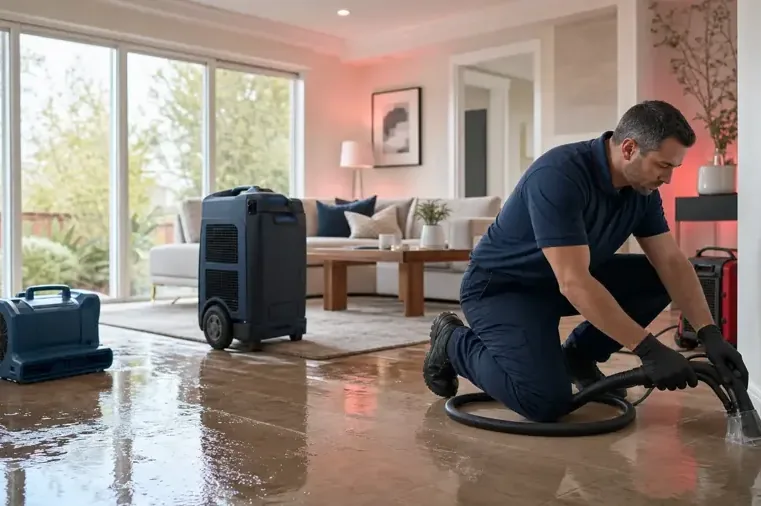
Water damage restoration services in Clover, SC
Water and sewage only, from the first pump-out to the last dry reading, for houses, crawl spaces and businesses across ZIP 29710 and the towns around it.
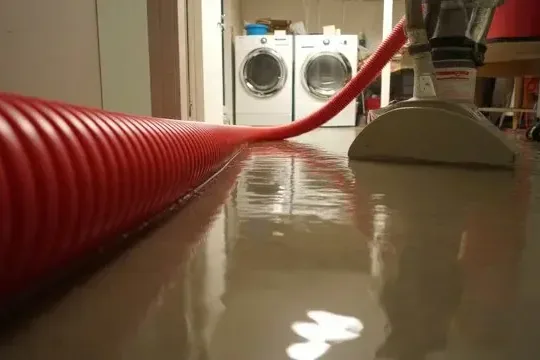 Water Extraction and RemovalTruck-mounted and portable units pull standing water from carpet, pad and subfloor before it wicks upward.View service
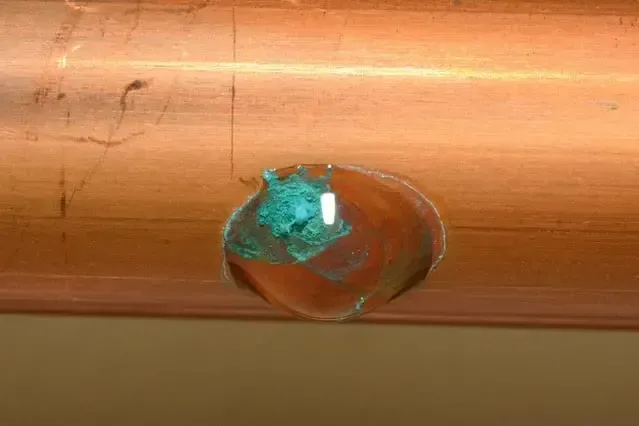 Burst Pipe Water DamageA split line or failed fitting is shut down, the water extracted and the wall cavities dried out.View service
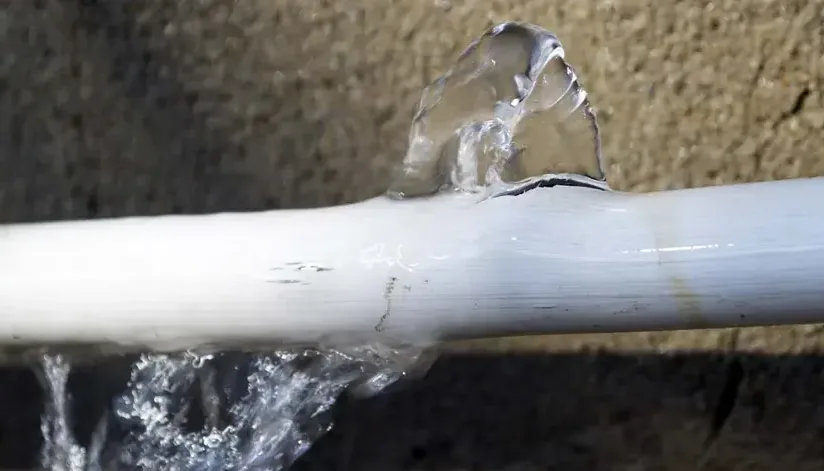
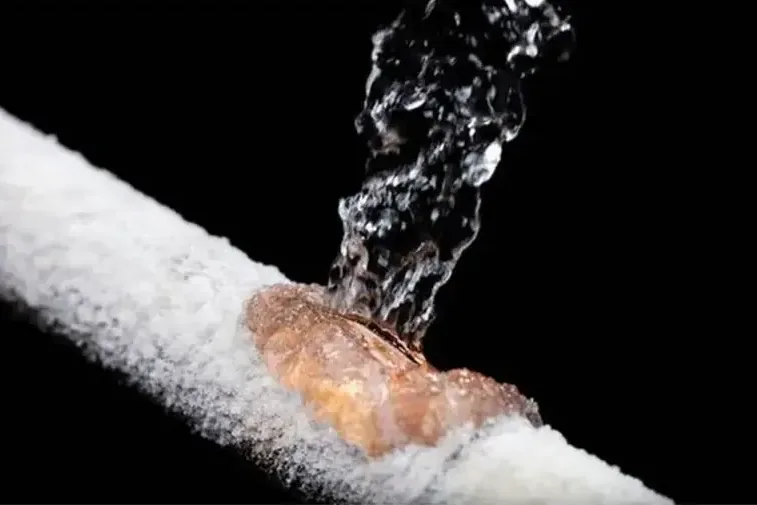 Frozen Pipe Water DamagePipes that froze in a hard cold snap are traced, and the soaked walls and floors get dried.View service
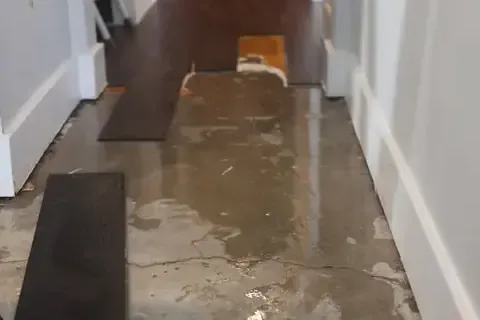 Slab Leak Water DamageA leak under a concrete slab means lifted flooring, extraction and drying of the slab edge and walls.View service
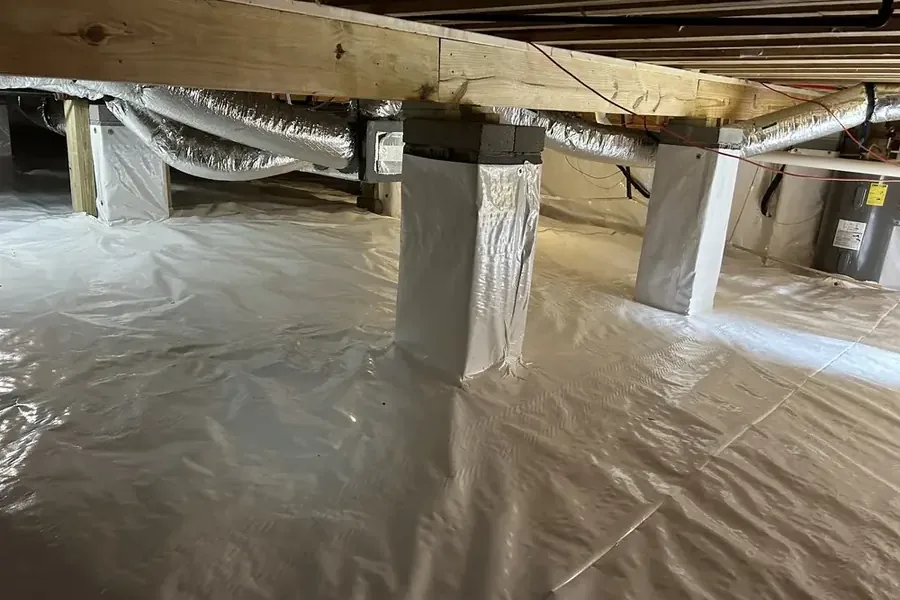 Crawl Space Water RemovalWater under a raised floor is pumped out, wet insulation pulled down and the joists dried.View service
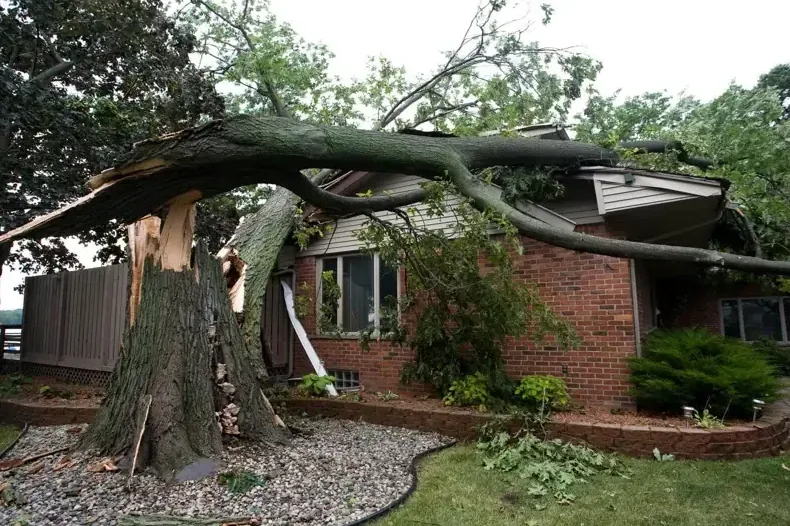 Storm and Flash Flood CleanupThunderstorm and creek runoff is treated as Category 3, extracted and dried to a verified reading.View service
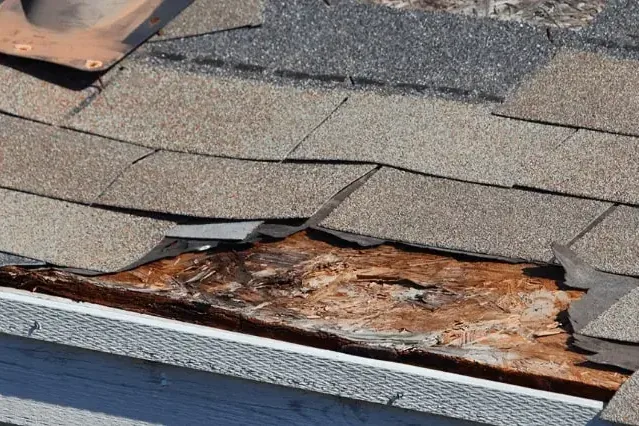 Roof Leak Water DamageWind-lifted shingles and tree strikes let rain into the attic. Insulation comes out and ceilings get dried.View service
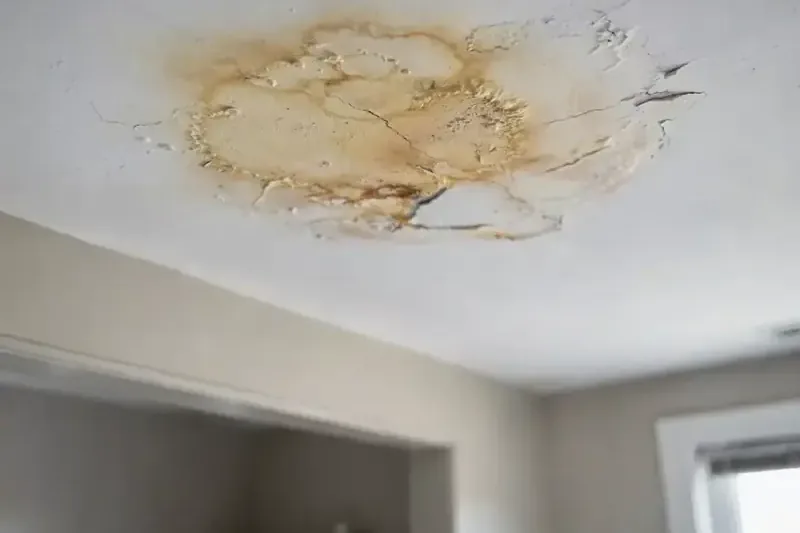 Ceiling Leak Water DamageLeaks from baths, supply lines or air handler drains are found, opened up and dried in place.View service
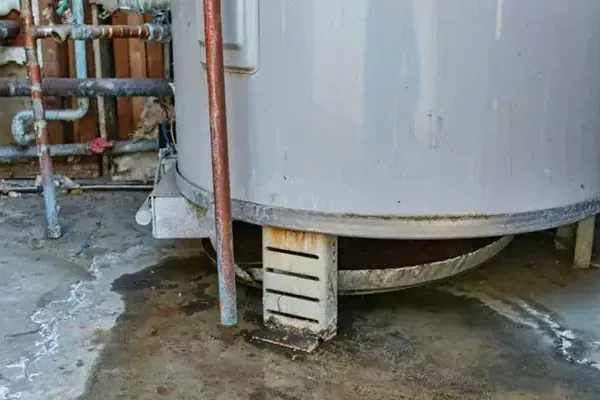 Water Heater Leak CleanupA failed tank in a garage, closet or attic is extracted before cabinets and drywall soak through.View service
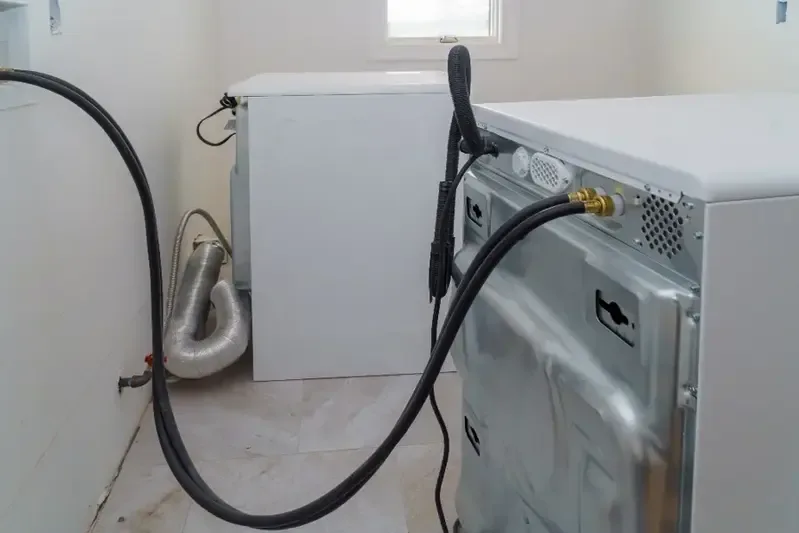 Appliance Leak Water DamageWasher, dishwasher, ice maker and fridge line leaks are pulled from floors and the cabinets nearby.View service
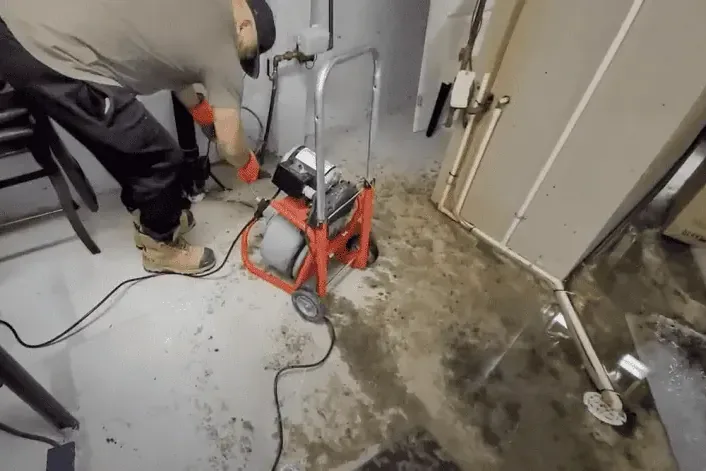 Sewage Backup CleanupBackups are handled as Category 3 from the start, with porous materials removed and surfaces treated.View service
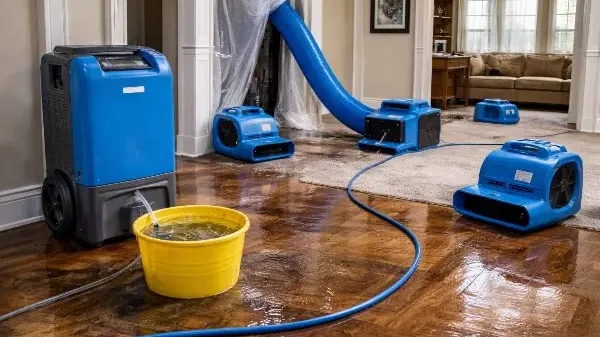
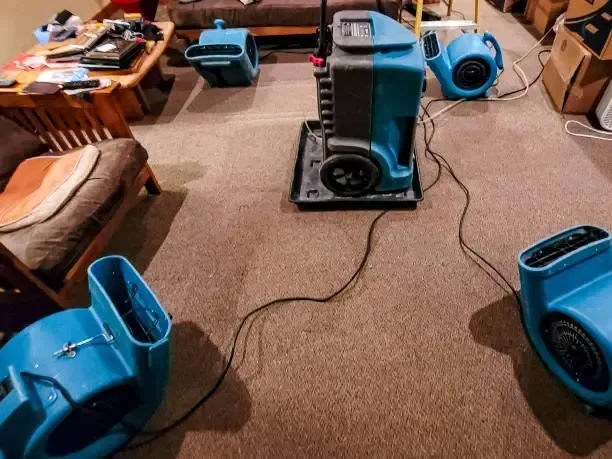 Structural Drying and DehumidificationLGR dehumidifiers and air movers dry framing and subfloor to within 2 to 4 points of a dry reference.View service
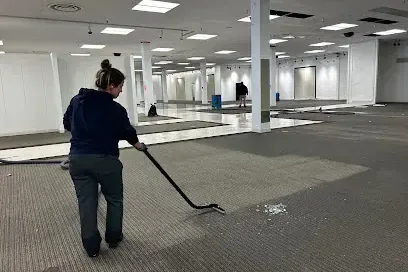 Commercial Water DamageShops, offices, churches and warehouses are dried in phases, with crews working after closing time.View service
What to do first after water hits the floor
- Stop the source. Close the main shutoff where the line enters the house or at the meter box, or the small valve behind the toilet or washer.
- Cut power to wet rooms. If water is near outlets, cords or the panel, switch off that breaker from a dry spot, or stay out and wait.
- Photograph before moving anything. Wide shots and close-ups of every wet room, the source and the waterline give the claim file a clean starting point.
- Lift what you can. Move rugs, electronics, papers and small furniture off wet floors. Foil under furniture legs keeps stains out of carpet.
- Call before it wicks. Drywall and subfloor pull water upward for hours. The extraction crew gets standing water out before it climbs higher.
Dried to a reading, not a feeling or a date
Every job follows the IICRC S500 structural drying standard: the water category and class of loss set the equipment plan, and the drying team logs readings daily until wet materials match a dry reference.
Inspect and map
The walkthrough finds the source, sets the water category and class, and maps moisture with meters and thermal imaging, including under the floor.
Extract
Truck-mounted and portable extraction pulls standing water from carpet, pad, tile and crawl space soil, the fastest way to cut drying time.
Dry and dehumidify
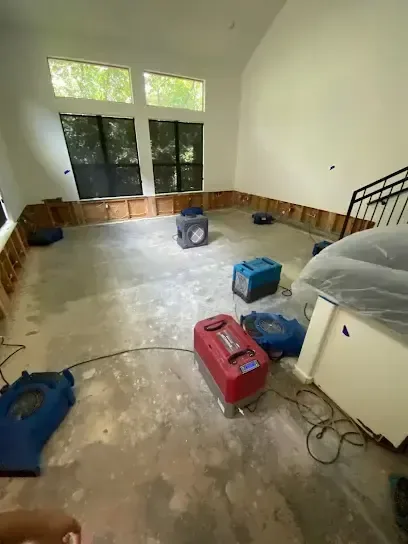
Air movers and LGR dehumidifiers run in a controlled space, sized to the room, while readings are logged every single day.
Verify and document
Equipment comes out only when materials read within 2 to 4 points of a dry reference, and the full log goes into the claim file.
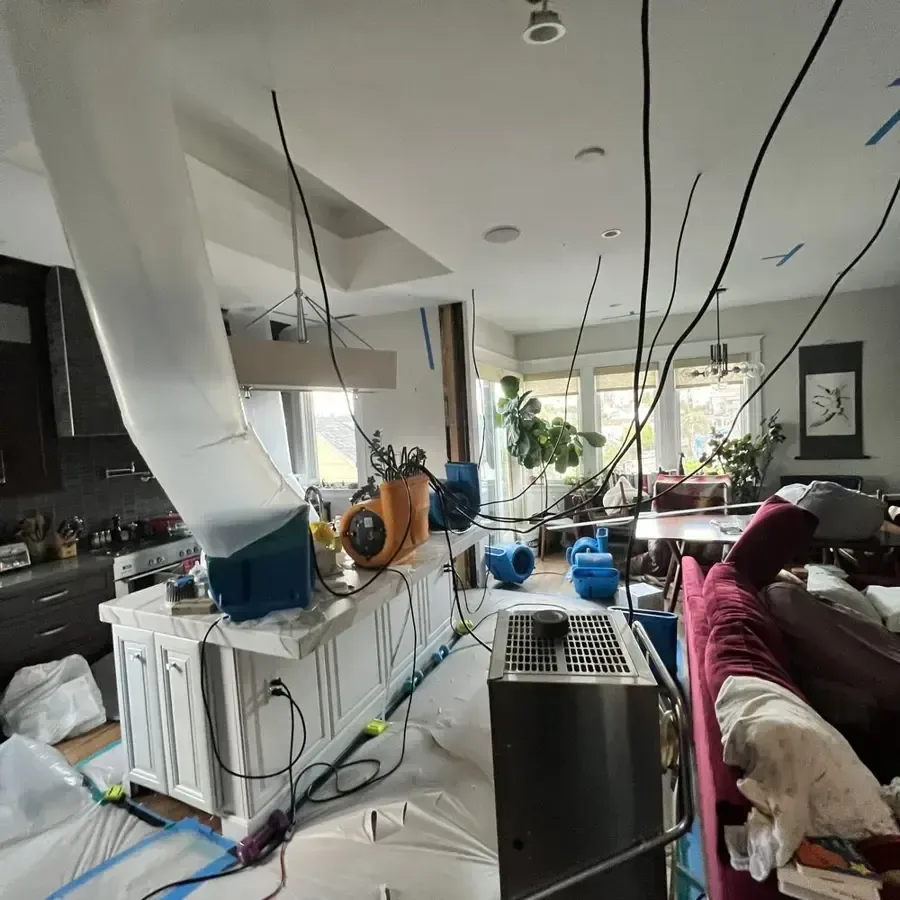
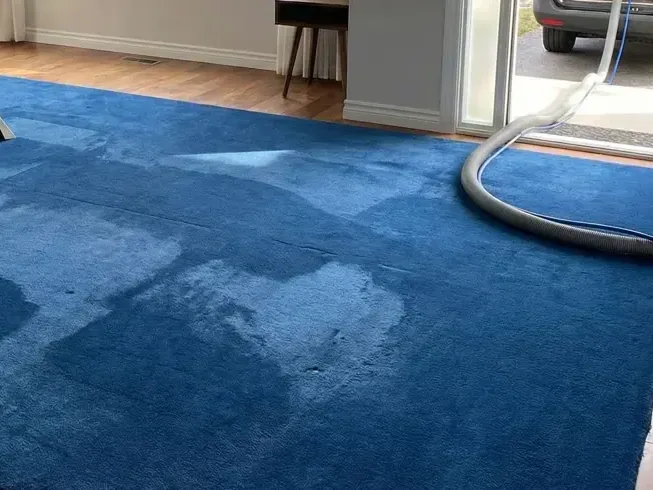
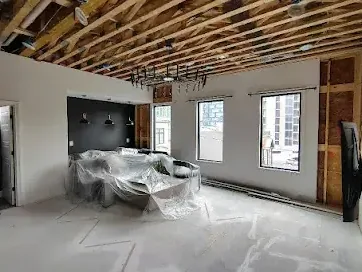
What extraction and structural drying look like from inside the house
Why Clover homeowners call for a measured dry-out
Treated as urgent at any hour
Active water is handled as an emergency day and night, holidays included, and the response team rolls with pumps, air movers and meters.
Moisture mapped first
Pin and pinless meters and thermal imaging trace water into walls, subfloor and crawl space framing before a single fan goes down.
Claim-ready records
Moisture maps, daily psychrometric logs and timestamped photos taken before demolition give the adjuster a clean, dated file to work from.
Ready for crawl space houses
Raised floors hide water. The drying team looks under the house on each loss, not just in the room where the water showed up.
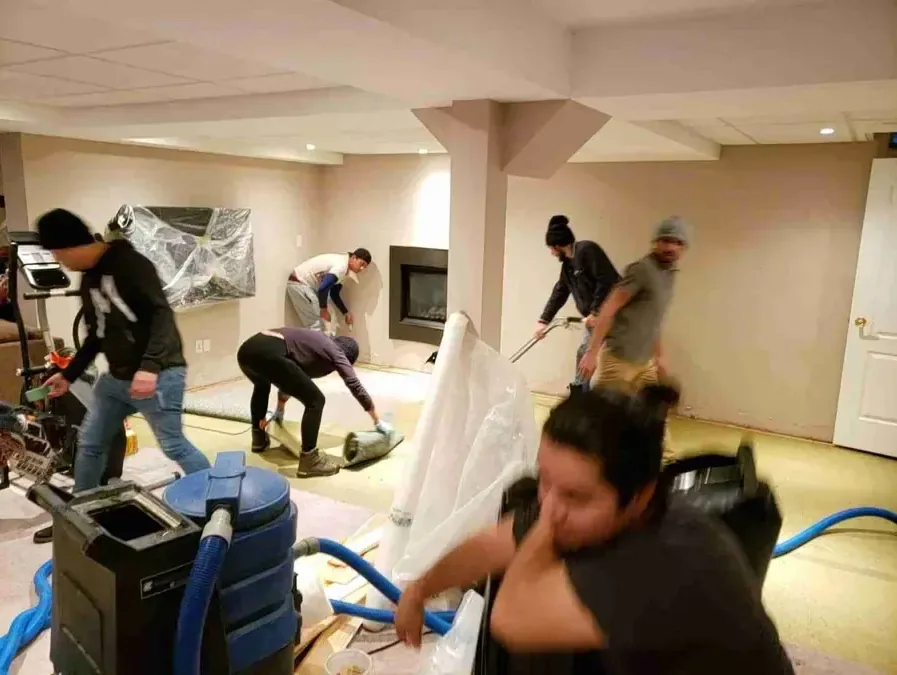
IICRC S500 is the industry drying standard. The tech on the walkthrough maps moisture before anything else, and the equipment stays until readings say dry, not until a room looks dry.
Clean, gray or black water changes the whole plan
Category 1: clean water
A burst supply line, a water heater or an ice maker line. Caught early, it can usually be dried in place.
Burst pipe water damageCategory 2: gray water
Washer and dishwasher discharge or condensate. Pad is pulled and surfaces get an antimicrobial before drying.
Appliance leak water damageCategory 3: black water
Sewage, creek overflow and storm runoff. Porous materials it touched are removed and hauled out, not dried.
Sewage backup cleanupWhat does water damage restoration cost in Clover, SC?
Water damage restoration here typically runs $500 to $9,000 or more. A one-room supply line leak sits near the low end, while a soaked crawl space, a multi-room loss or sewage climbs from there, set by water category, square footage, material class and how fast drying started.
One room, clean water
- Extraction and drying
- Category 1 supply water
- Caught within a day
Crawl space or several rooms
- Pumping under the house
- Wet insulation and pad removed
- Several days of drying
Sewage or storm water
- Category 3 containment
- Porous materials removed
- Antimicrobial and rebuild prep
Records an adjuster looks for first
A water claim is decided on the file, not the phone call. The mitigation team builds that file from the first visit on, one dated entry at a time.
- A moisture map of every wet room and the crawl space
- Daily psychrometric logs: temperature, humidity and grains per pound
- Timestamped photos taken before any demolition
- The water category and class of loss, recorded at the start
- A line-item scope of extraction, removal and drying
Check your own policy
Sudden and accidental losses, like a burst pipe or a failed water heater, are often covered after the deductible. Surface flooding usually needs a separate flood policy.
Sewer backup is often a rider. Coverage depends on your policy, so it is worth reading it or asking your own insurer before work starts.
Ranges are typical, not a quote. The walkthrough and the moisture map set the real scope. For a closer number, run the water damage cost calculator before anything is moved.
From the Downtown Historic District to the lake coves
Neighborhoods and corridors
ZIP code
Nearby towns
One call reaches the crew for any street in town
Dispatch runs around the clock for every street in ZIP 29710, from mill-era houses near the square to the newer subdivisions off SC 55.
The same team covers York, Gastonia, Belmont, Tega Cay and Rock Hill, so a call from either side of the state line gets a truck rolling.
Find us on GoogleGet a truck headed to your street
See every neighborhood and town on the map ›Why Clover homes take on water
Mill-era houses near the square sit beside subdivisions built as the town grew from 5,094 people in 2010 to 6,671 in 2020, and storms, creeks and cold snaps test both.
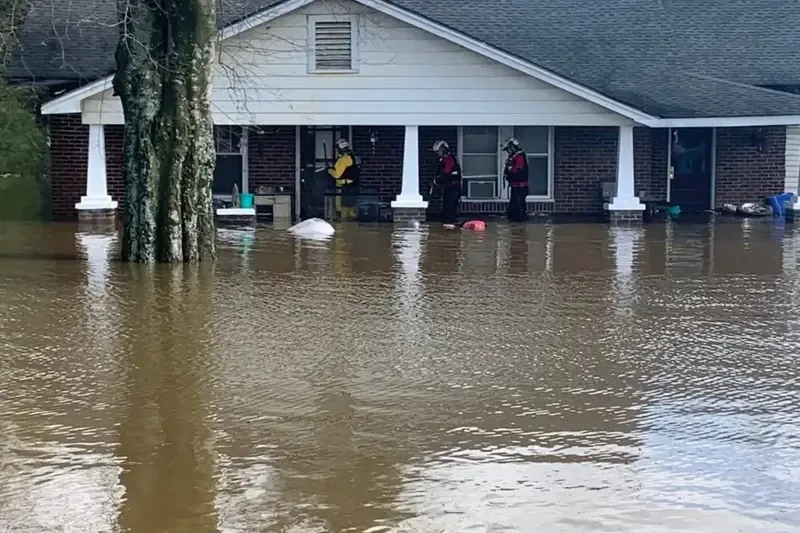
April 2018 An EF0 tornado confirmed by the National Weather Service crossed SC 55 into Timberlake, damaging roofs, siding and windows on several homes.
Summer storms and tropical rain
Thunderstorm lines and the remnants of tropical systems drop heavy rain fast. In September 2024, the early bands of Helene put more than three inches on parts of Rock Hill.
Crowders Creek and the lake coves
Crowders Creek runs through the area toward a cove of Lake Wylie. In a heavy rain, runoff crosses low lots and finds crawl space vents and garage doors.
Water hiding under raised floors
A house on a crawl space hides water: a slow pipe leak, a sweating duct or storm runoff can soak insulation and joists for weeks before anyone looks.
Hard winter freezes
A deep cold snap freezes pipes in exterior walls, attics and unheated crawl spaces, and the split usually shows up as a flood once the line thaws.
Older lines near the square
Mill-era houses and shops around the Downtown Historic District often carry aged supply and drain lines that fail at the joints or back up into the house.
Water damage questions from Clover homeowners
Water in the house right now?
Skip the reading for now. Shut off the main if it is safe, stay clear of outlets, and call the response team.
(888) 532-8921 Reach dispatch in one tapHow fast does help arrive after a call?
Dispatch runs 24/7 and active water is treated as urgent, nights and weekends included. Arrival depends on where the nearest crew is when the call comes in, so calling right away matters more than waiting to see if the leak stops.
What should be done while help is on the way?
Shut off the main if it is safe, switch off power to wet rooms from a dry spot, move rugs and electronics up, and photograph everything before cleanup. Stay out of any room with sewage or water near the panel.
Is water damage covered by homeowners insurance?
A sudden and accidental loss, such as a burst pipe or a failed water heater, is often covered after the deductible. Surface flooding usually needs a flood policy, and sewer backup is often a rider, so check your own policy before work starts.
What causes most water damage in Clover homes?
Burst and frozen pipes, failed water heaters and washer hoses lead the list, followed by roof leaks after summer storms and water under crawl spaces. Older houses near the square add aging supply and drain lines to the mix.
How long does it take to dry a wet house?
A contained Class 1 loss often dries in three to five days. Soaked crawl space framing, hardwood or a concrete slab takes longer. Equipment comes out when the readings reach the dry goal, not on a set date.
What is the IICRC S500 standard?
IICRC S500 is the industry standard for water damage restoration. It defines water categories and classes of loss, how much drying equipment a space needs, and when a structure counts as dry, so the work is measured with meters instead of guessed.
When does drywall have to come out?
Baseboard and the wet bottom of the drywall often come out so the wall cavity can dry. Drywall touched by Category 3 water is always removed. Clean-water drywall reached early can often be dried in place.
Why is sewage cleanup handled differently?
A sewage backup is Category 3 from the first minute. The sewage crew works in protective gear, sets containment, removes porous materials the water touched and applies an EPA-registered antimicrobial at its full dwell time before drying.
Can water under the house cause problems if nobody sees it?
Yes. Water in a crawl space keeps the joists, subfloor and insulation wet. After 24 to 48 hours, growth can start, so standing water should be pumped out and the wood dried to a reading.
How is the cost of water damage restoration figured?
Cost follows four things: the water category, the square footage that got wet, the material class, and how fast drying started. The water damage cost calculator shows a typical planning range for a home.
Water spreading through the house right now? Get the drying started.
Every hour water sits, it soaks deeper. The response team rolls around the clock across ZIP 29710 and nearby towns.
(888) 532-8921Put a drying crew on the way