Water Damage Restoration Gastonia, NC
From creek rise along Crowder's Creek to a burst pipe in a cold snap, the extraction and drying crew pulls out the water, opens what stayed wet and dries the structure for Gastonia homes and businesses.
(888) 532-8921Call to start the water cleanupFrozen ground, summer storms and older mill buildings all send water into Gaston County properties, so the crew works around the clock.
Pick the water problem that matches yours
Each kind of water loss gets its own approach in Gastonia, from a failed supply pipe to a creek that came over its bank, with separate steps and typical costs for each.
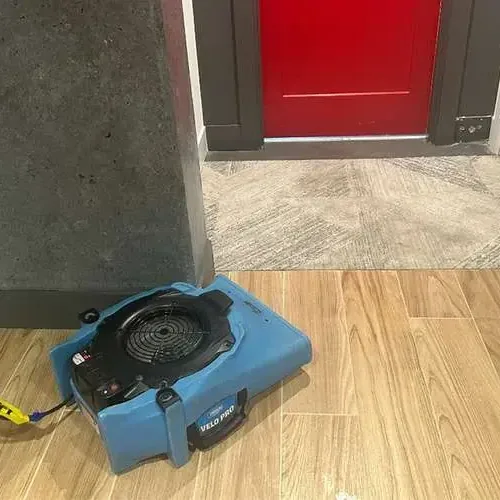
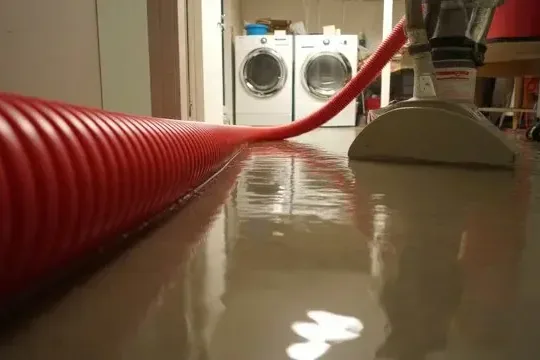 Water Extraction and RemovalPumps and extraction wands pull standing water from carpet, hardwood and subfloors before it soaks into the framing.View service
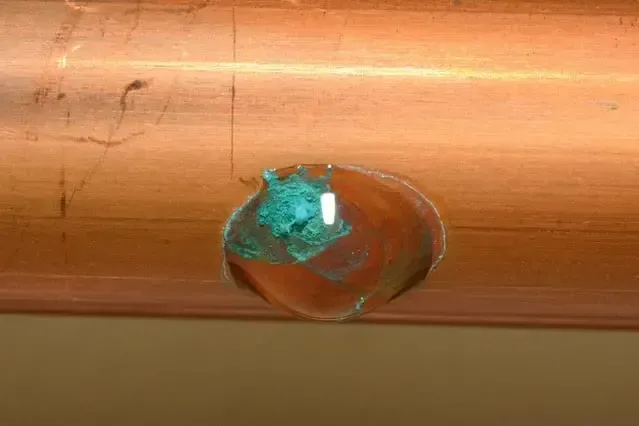 Burst Pipe Water DamageOnce the plumber has the pipe shut off, the crew extracts the water and opens wet walls and floors for drying.View service
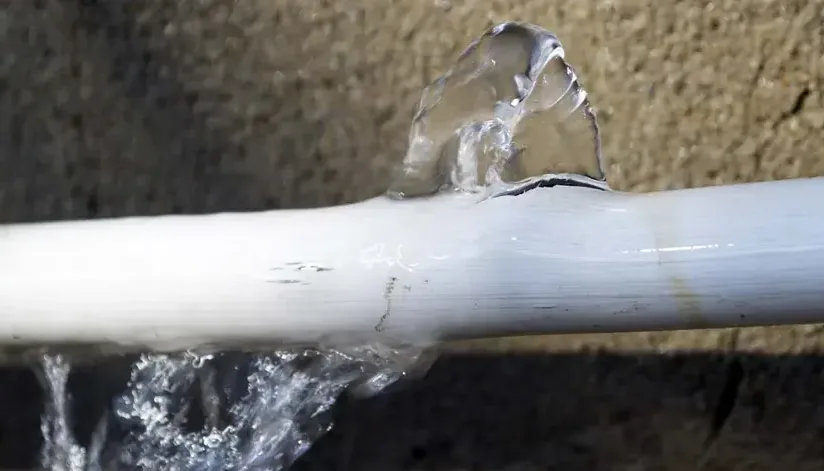
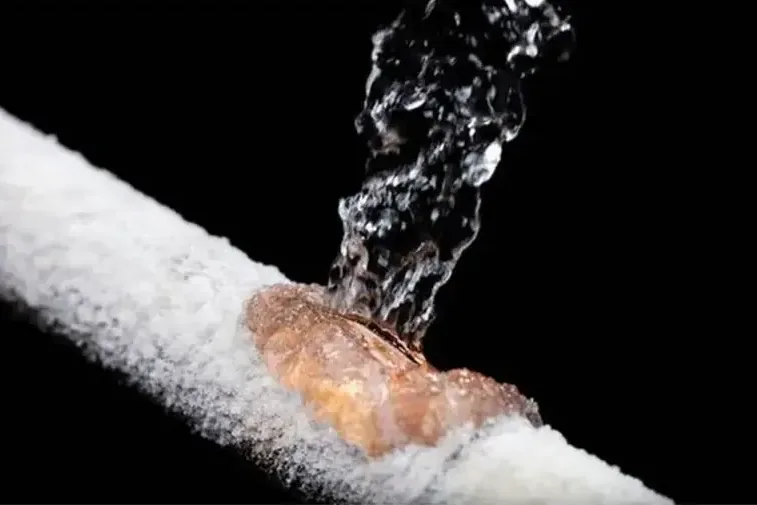 Frozen Pipe Water DamageCold snaps split pipes inside walls and crawl spaces, and the real flooding often starts when the ice thaws.View service
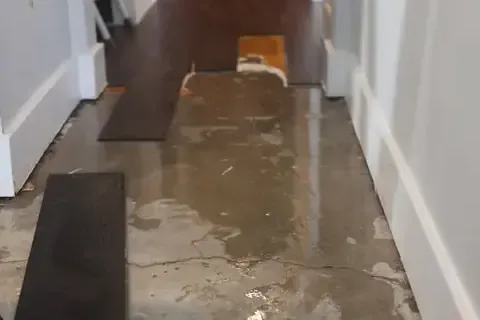 Slab Leak Water DamageA leaking pipe under the slab wets flooring from below, and warm spots on the floor are a common sign.View service
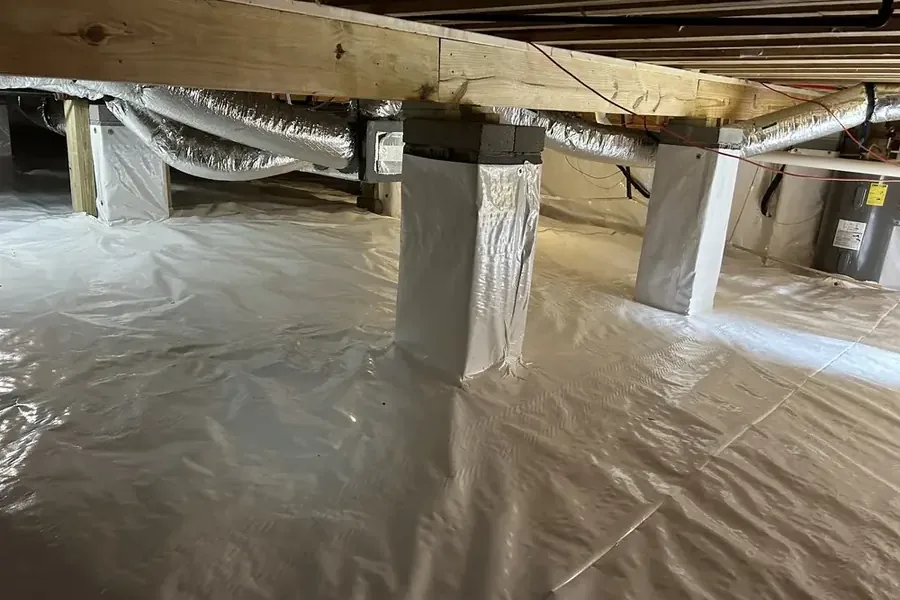 Crawl Space Water RemovalStanding water under a raised floor soaks insulation, joists and subflooring, and it needs pumping before drying starts.View service
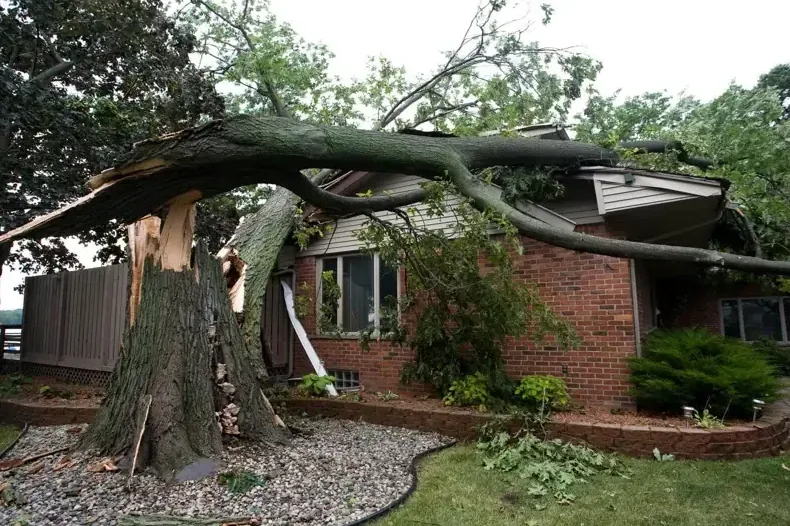 Storm and Flash Flood CleanupCreek overflow and heavy rain bring muddy water indoors, which is removed along with the soaked materials it touched.View service
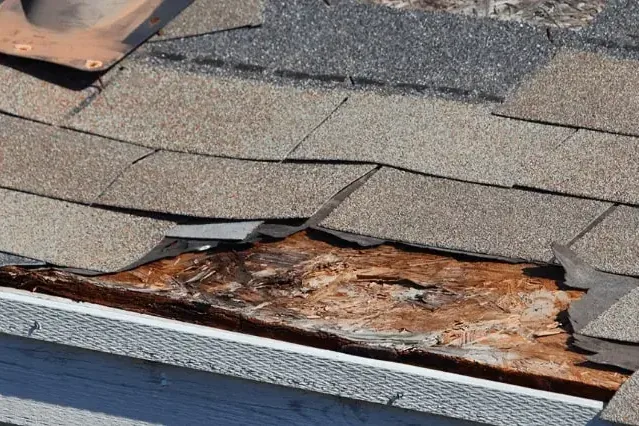 Roof Leak Water DamageLifted shingles or a fallen limb let rain into the attic, insulation and ceilings below, all of which need drying.View service
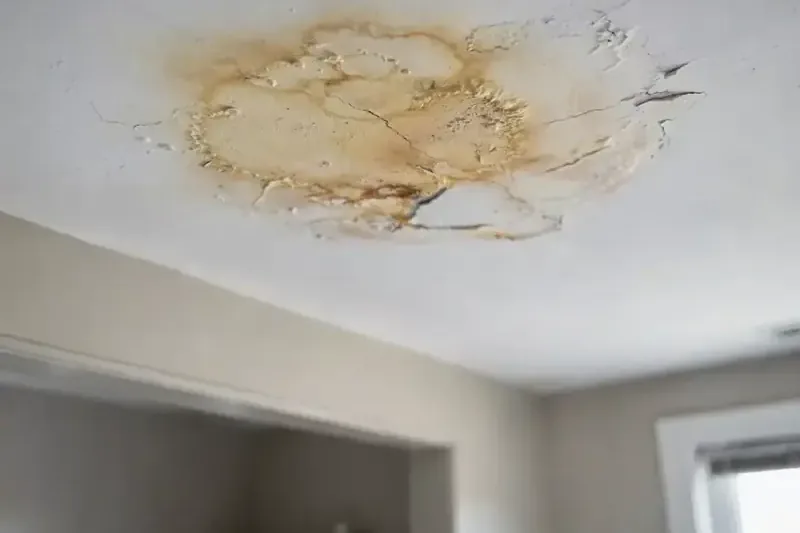 Ceiling Leak Water DamageWater pooled above a ceiling stains, sags and can drop into the room, and the upper side must dry too.View service
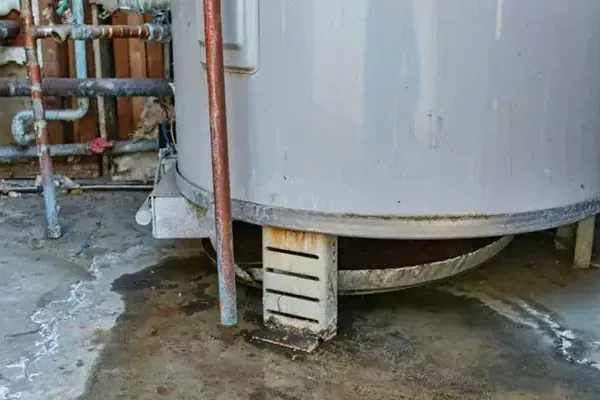 Water Heater Leak CleanupA failed tank or fitting releases water quickly, so the heater's supply and power are shut off first, then the area is dried.View service
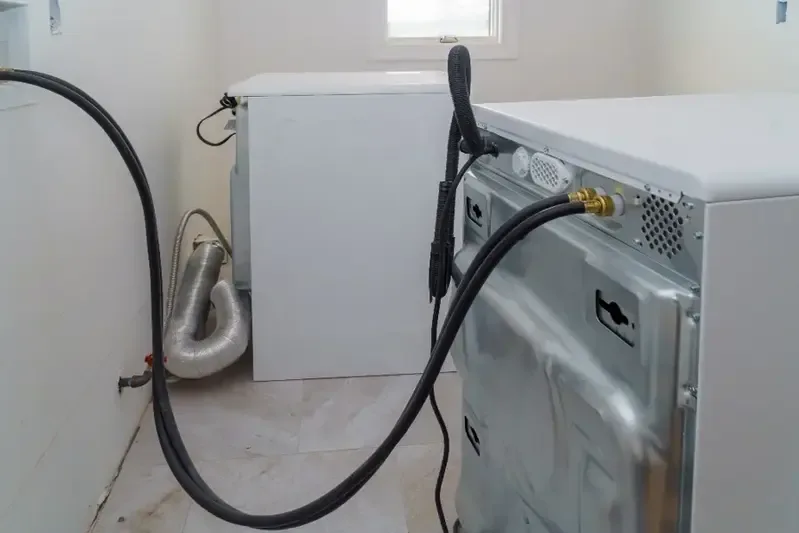 Appliance Leak Water DamageWasher, dishwasher and ice maker hoses leak slowly behind and beneath the unit, often for weeks before anyone notices.View service
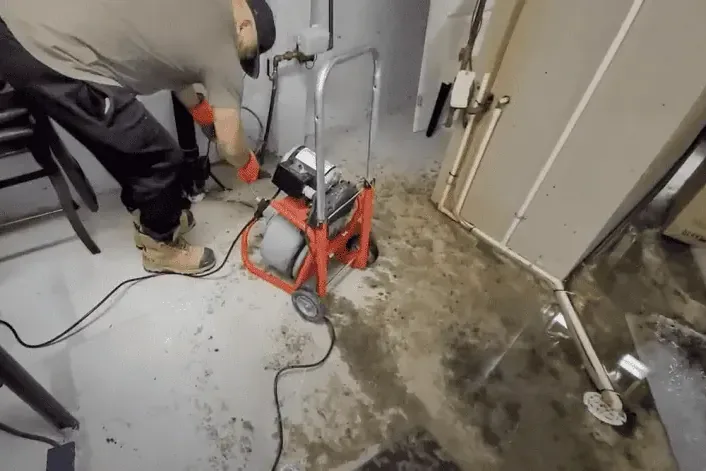 Sewage Backup CleanupBacked up sewage is contaminated water, so affected materials are removed and the area is cleaned and treated.View service
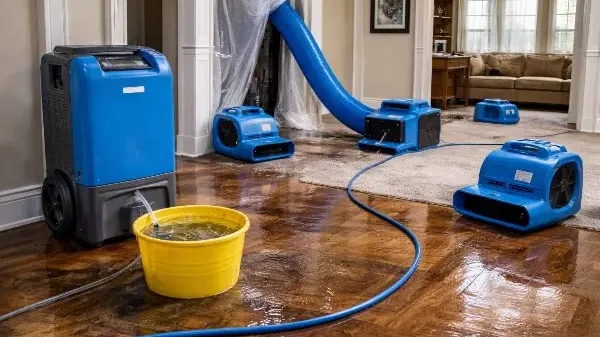
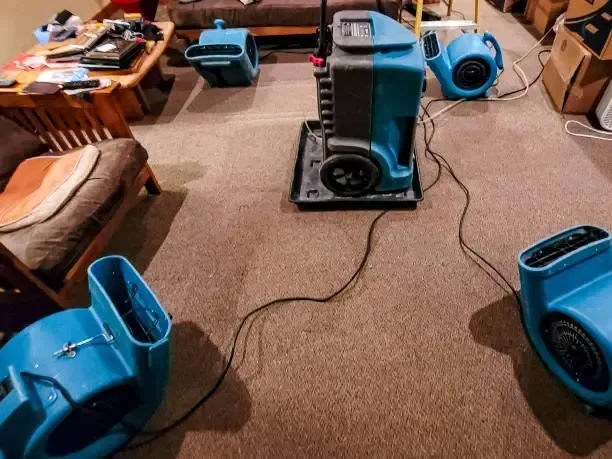 Structural Drying and DehumidificationAir movers and dehumidifiers dry walls, subfloors and framing until moisture readings match dry material.View service
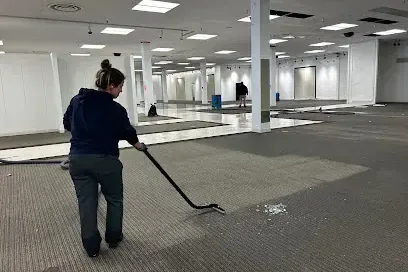 Commercial Water DamageShops, offices, plants and older mill buildings get extraction and drying planned around the business.View service
What to do the moment water appears
- Stop the source. Close the main shutoff or the valve at the fixture, and cut power to wet rooms only if the floor around the panel is dry.
- Photograph everything. Take wide and close photos of the water, the damaged items and the source before anything is moved or thrown out.
- Call the crew. Call for extraction while the water is still moving, because wet drywall and subfloors start to break down fast.
- Lift small valuables. Move rugs, electronics and paper off wet floors, and leave heavy furniture where it sits until the crew has looked.
- Leave the drying to equipment. Open interior doors for airflow if the weather is mild, and skip household fans and heat that push damp air into dry rooms.
A plan built from readings, not guesses
Every job starts with a moisture map of the walls, floors and ceilings, so drying equipment goes where the wet material actually is and stops once readings return to normal.
Find the water
A meter and thermal camera trace moisture through walls and floors to the edge of the wet area.
Remove the water
Pumps and extraction wands take out standing water, and soaked pad or insulation that cannot dry is cut out and bagged.
Dry the structure
Air movers and dehumidifiers run for several days while the crew rechecks the readings and moves equipment as the wet areas shrink.
Confirm it is dry
Final readings are logged against dry material, and the paperwork with photos is ready for the insurance adjuster.
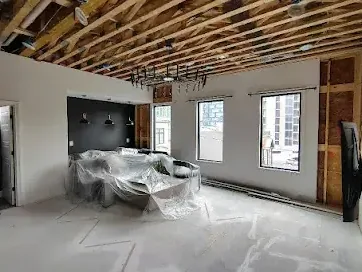
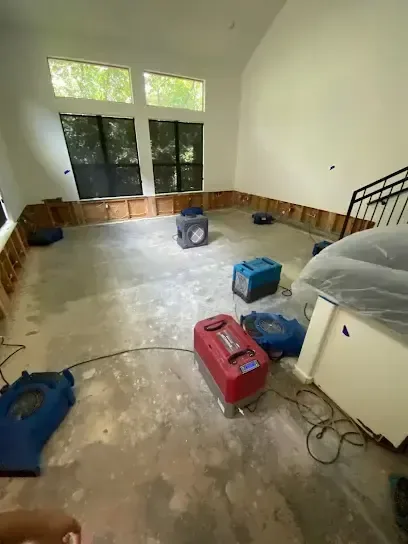
What the drying work looks like in a wet house
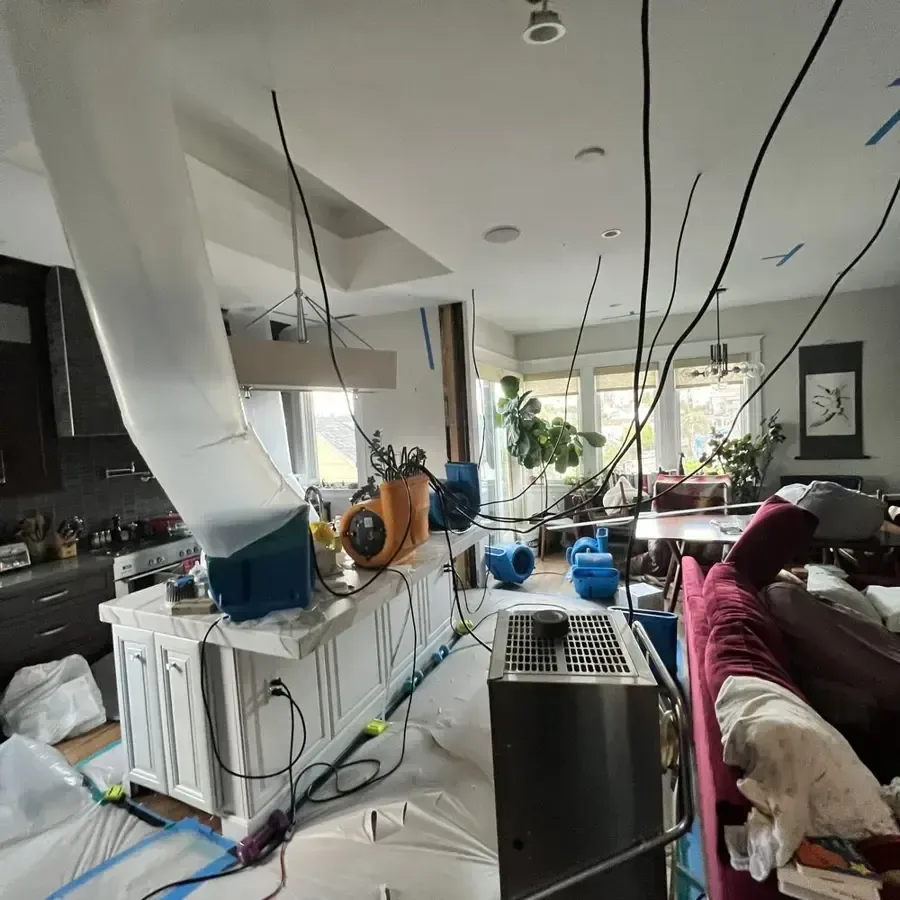
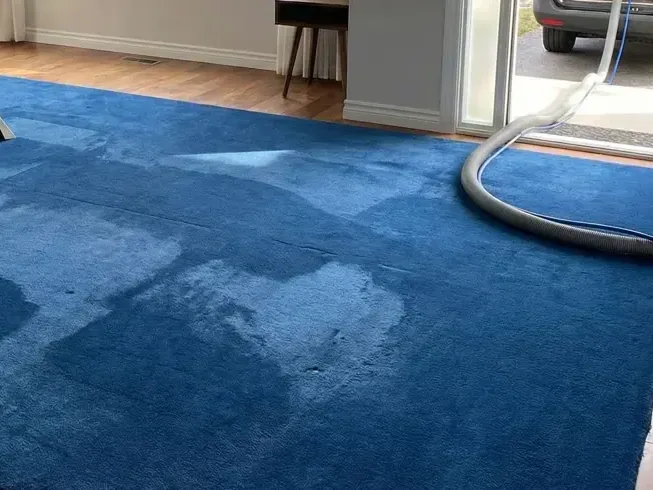
Built around water that does not wait
Moisture readings steer the work
A meter and thermal camera show hidden water behind baseboards and under flooring, so drying covers the whole wet area.
Equipment sized to the loss
Air movers and dehumidifiers are matched to the room volume and material, rather than a fixed number of fans for every job.
Water and sewage losses only
The work stays focused on water, from clean supply leaks to sewage backups, with no side trips into unrelated restoration work.
Clear notes for the adjuster
Photos, readings and equipment logs are kept for the whole job, which gives the insurance adjuster a clear record of what was wet.
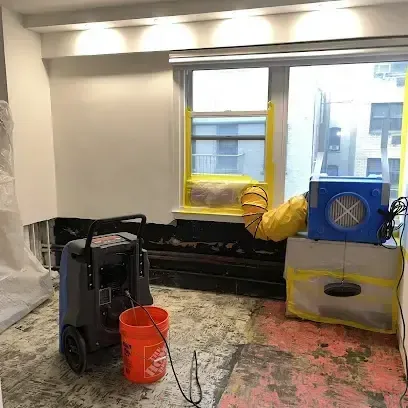
Gastonia has a creek that flooded fast in 2015, winters that dip below freezing and mill era buildings that hold moisture, so the crew brings equipment for all three kinds of loss.
The water's source decides how it is handled
Clean water
Supply failures, ice maker hoses and heater leaks start out clean and can usually be dried in place.
Burst pipe water damageGray water
Washer and dishwasher discharge carries soap and dirt, so pad is pulled and surfaces are treated before drying.
Appliance leak water damageBlack water
Sewage and creek overflow carry bacteria, and porous materials they touch are removed and hauled away.
Sewage backup cleanupWhat does water damage restoration cost in Gastonia, NC?
A single room of clean water usually lands near $500 in Gastonia, while a soaked crawl space, several rooms or a sewage loss can pass $7,500, and the water category, size of the wet area, materials and drying time set the final figure.
One room of clean water
- Water pumped out
- Fans and dehumidifier set
- Wet pad lifted
Soaked crawl space or a few rooms
- Pump under the floor
- Insulation removed
- Several days of drying
Sewage, creek or runoff water
- Contaminated items hauled
- Surfaces cleaned and treated
- Prep for rebuild
Document the loss before the cleanup begins
Coverage often hinges on whether the water was sudden, like a split pipe, or slow, like seepage, so the paperwork should show exactly how and when it arrived.
- Photos of the water source and each wet room
- A written list of damaged items with rough values
- Receipts for emergency repairs and temporary supplies
- The date and time the water was first found
- The moisture readings and photos the crew keeps
What the homeowner can do
Call the insurance company early, describe the loss plainly and ask what needs approval before work starts, since drying cannot wait for paperwork.
Keep damaged materials until the adjuster has seen them or photographed them, and save every receipt, because the crew can only document what is still there.
Figures are typical rather than a quote; the walkthrough and moisture readings decide the actual scope. Running the water damage cost calculator first narrows the number before any work begins.
Coverage across Gastonia from downtown to the mill districts
Districts and corridors
ZIP codes
Nearby towns
One call covers every Gastonia street and neighborhood
The crew works the older streets around the downtown and Loray Mill districts as well as newer homes toward the edges of a city of 80,411 residents.
The same team works nearby towns too, so a call about a wet crawl space or a flooded garage reaches the right crew wherever the water is.
Call to get the wet rooms checked
See every town on the service area map ›What sends water into local homes
A city of 80,411 residents at the 2020 Census has a creek that rises fast, hard freezes, summer thunderstorms and buildings from the textile era, and each one brings water indoors differently.
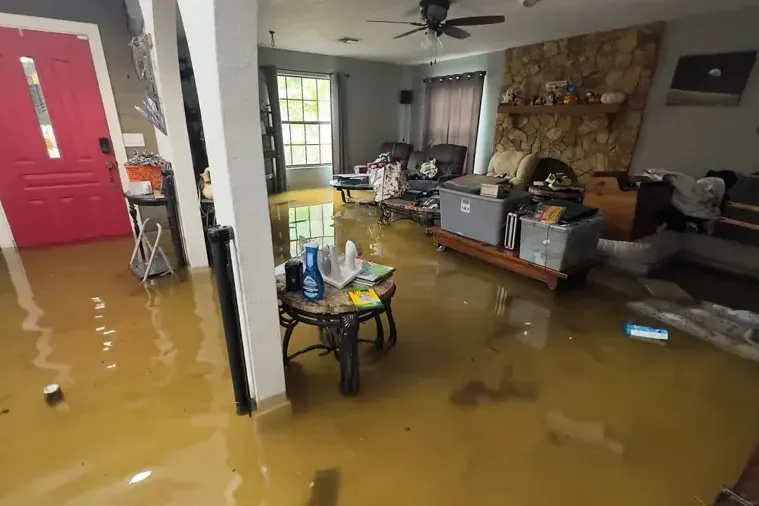
December 30, 2015 Crowder's Creek flooded fast after heavy rain, a mobile home park had to evacuate and the Gastonia Fire Department rescued people, with no injuries reported.
Wet summers
August is the wettest month at 4.55 inches on average, June follows at 4.29 inches, and the year totals about 43.95 inches, so roofs, gutters and low spots get tested often.
Hard freezes
January lows average 31.4 degrees Fahrenheit, and in January 2018 frozen soil pressed on eight Gastonia water mains until they ruptured and more than 1,700 customers lost water.
Storm wind and trees
Hurricane Helene downed trees across Gaston County on September 27, 2024, and some landed on houses, which opens roofs and sends rain into ceilings.
Older mill buildings
Textile mills such as Loray Mill and Trenton Cotton Mills hold older masonry and framing that can keep moisture longer, so drying has to reach walls and subfloors.
Long tropical soaks
Former Hurricane Florence brought two days of rain and wind in September 2018, and even with limited impact, a soak that long tests roofs and drainage.
Questions people ask after a leak
Water still spreading?
Water that keeps moving soaks more drywall every hour, so a quick call starts the extraction while the damage is still small.
(888) 532-8921 Call about the standing waterHow soon should water be pulled out after a leak?
As soon as possible, because wet drywall, pad and subfloor weaken quickly and mold can begin within a day or two. The sooner the water is out, the less material has to be torn out and replaced.
Is creek water handled differently from pipe water?
Yes. Creek and storm runoff carry soil and bacteria, so the crew treats it as contaminated water and removes porous materials such as carpet pad and insulation instead of trying to dry them in place.
What does a typical cleanup cost?
Costs follow the water category and the size of the wet area. A single room of clean water starts near $500, several rooms or a crawl space run higher, and sewage climbs the most, as the cost calculator shows.
What happens to pipes after a hard freeze?
Ice can split a pipe quietly inside a wall or crawl space, and the flooding shows up once it thaws. Shut off the main valve, then call for extraction. The January average low is 31.4 degrees Fahrenheit.
Does homeowner insurance pay for water damage?
That depends on the policy and the cause. Sudden events such as a split supply pipe are often treated differently from slow seepage or flooding, so the adjuster should see photos, readings and receipts early.
How long does drying take?
Most homes dry in a few days, though dense materials such as hardwood, plaster and masonry can take longer. The crew checks readings each visit and removes equipment only when the material reads dry.
Can a soaked hardwood floor be saved?
Sometimes. Clean water caught early can be dried with mats and dehumidifiers before boards cup, but floors that sat under dirty water or for several days often have to come up.
What about apartments and rental units?
Tell the landlord or property manager right away, because the source may be in another unit. The crew can extract and dry the affected rooms and document the damage for whoever carries the policy.
Who should be called first for a sewage backup?
A plumber should check the drain and the sewer connection first. Once the source is clear, the crew removes contaminated material and cleans and treats the area. Heavy rain is a common trigger, so backups often follow long storms.
Do older mill buildings dry differently?
Older masonry and framing, like many downtown and mill era buildings, can hold moisture longer, so the crew dries walls and subfloors rather than just the surface. Readings decide when drying is finished.
Wet floors or walls in Gastonia? Call the drying crew
Water left standing keeps soaking into the wall, pad and subfloor. One call lines up extraction and drying for the whole house.
(888) 532-8921Call the drying crew now