Crawl Space Water Removal in Clover, SC
Water under a raised floor rarely announces itself until the floor softens or the house smells damp. The extraction crew pumps it out, pulls wet insulation and dries the joists and subfloor beneath Clover homes.
(888) 532-8921Get the water under the house pumped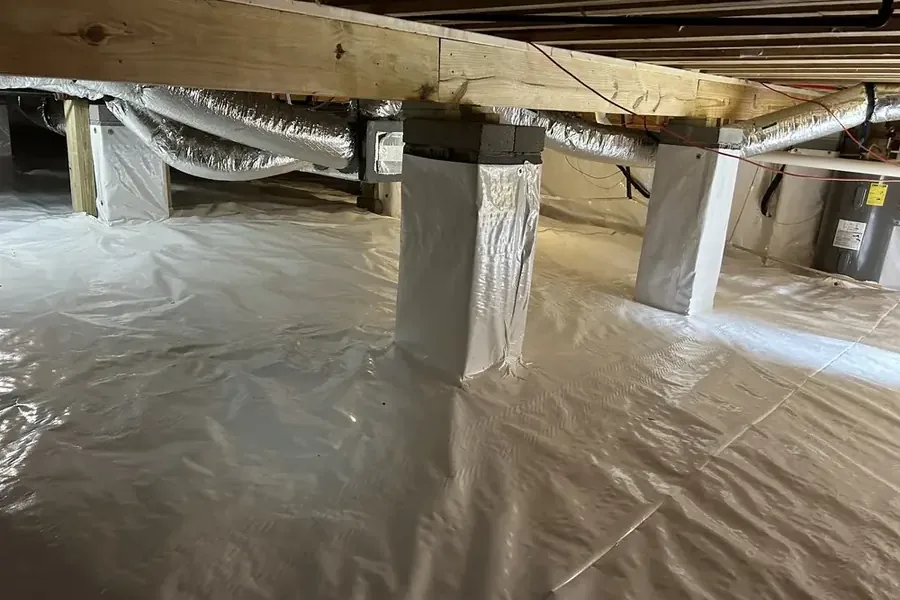
What every crawl space water removal job is held to
Treated as urgent, any hour
Active water is treated as urgent at any hour. The response team rolls with extraction gear, air movers and meters, nights and weekends included.
Dried to the IICRC S500 goal
Air movers and LGR dehumidifiers are sized to the class of loss and stay on site until the readings reach the dry goal.
A claim file built every day
Moisture maps, psychrometric logs and timestamped photos are kept from the first visit on, the record an adjuster looks for.
First steps for crawl space water removal while help is on the way
- Look, do not crawl in. Check from the access door with a flashlight and stay out if water is deep.
- Mind the wiring. Keep away if water touches wiring, a pump or the duct system.
- Find the source. Note whether it rained, or a line, drain or heater is leaking.
- Turn off the water. If a plumbing leak is feeding it, close the main valve.
What does crawl space water removal cost in Clover, SC?
Crawl space water removal typically runs $1,000 to $6,000 here. A small pool from a plumbing leak stays near the low end, while storm water across the whole crawl space with insulation removal costs more.
Small pool, clean water
- Pumping one area
- Spot insulation removal
- Two to four days of drying
Whole crawl space
- Full pump-out
- Insulation pulled throughout
- Joist and subfloor drying
Storm water or sewage
- Category 3 cleanup
- Antimicrobial treatment
- Ground cover replaced
Ranges are typical, not a quote: the water category, square footage, material class and how fast drying started move the number most. Run the water damage cost calculator for a closer range.
How crawl space water removal is handled, start to dry
The tech on the walkthrough maps moisture before any equipment goes down, and the gear stays until the readings say dry, not until the room looks dry.
Pump out
Submersible pumps clear standing water from the soil.
Remove wet material
Soaked insulation and torn ground cover are bagged.
Treat if needed
Storm water or sewage gets an antimicrobial.
Dry the wood
Equipment runs until the joists read dry.
A crawl space puts the plumbing, the ducts and the floor framing in a shallow, dark space that few people check. Water collects there from storm runoff, a leaking supply or drain line, a failed water heater above, or condensation off cold ducts, and it can sit for weeks before anyone notices.
Signs water is under the house
- A damp, earthy smell in the rooms above
- Soft, cupped or bouncy flooring
- Insulation hanging down or lying on the ground
- Water on top of the plastic ground cover after a rain
Water sitting under the floor? The extraction crew can pump it and pull the insulation.
Send a pump crew under the housePumping and removing what is wet
Submersible pumps clear standing water, then the crew pulls soaked fiberglass insulation, which holds water against the subfloor and cannot be dried in place. Debris and torn ground cover are bagged, and the source is identified: rain runoff, a plumbing leak and condensation each need a different fix.
Drying the framing
Air movers and LGR dehumidifiers run under the floor, and readings are taken on joists, sill plates and subfloor until they match a dry reference. Storm water and sewage get an EPA-registered antimicrobial first. Ready.gov flood safety covers what to do before entering a flooded space, and the EPA indoor air quality pages explain why damp air under the floor matters to the rooms above.
Crawl space water removal across Clover and nearby communities
Where the crews work
The response team covers ZIP 29710 end to end: the Downtown Historic District and Main Street, Timberlake and Mountainview Road off SC 55, Bethel and Bethany, and the coves along the Lake Wylie shoreline.
Nearby coverage reaches York, Lake Wylie, Gastonia, Bessemer City, Belmont, Tega Cay, Rock Hill, Fort Mill.
Related water damage services
Crawl Space Water Removal questions, answered
Still dealing with it?
Water sitting under the floor? The extraction crew can pump it and pull the insulation.
(888) 532-8921 Send a pump crew under the houseIs water in a crawl space an emergency?
Standing water under the house keeps joists, subfloor and insulation wet. After 24 to 48 hours, growth can start, so crawl space water removal should begin as soon as the source is known.
Why does the crawl space flood after heavy rain?
Runoff that is not carried away from the foundation finds the lowest point. Short downspouts, grading that slopes toward the house and low vents let storm water into the crawl space.
Can wet crawl space insulation be dried?
Fiberglass batts that soaked up water sag and hold moisture against the subfloor, so they are removed and replaced after the wood is dry rather than dried in place.
Who fixes the cause of crawl space water?
A plumber repairs a leaking line, and gutters or grading handle runoff. The restoration team handles crawl space water removal, insulation removal and drying.
Is crawl space water removal covered by insurance?
Water from a sudden pipe or water heater failure is often covered. Surface water from rain and slow seepage usually is not. Coverage depends on your policy, so check with your own insurer.
How long does a crawl space take to dry?
Most crawl spaces dry in three to seven days with air movers and dehumidifiers running under the floor. Equipment stays until joists and subfloor read within a few points of dry.
Water under the house? Get it pumped and the joists dried.
A wet crawl space soaks joists, subfloor and insulation out of sight. The extraction crew pumps it out and dries the wood.
(888) 532-8921Book the crawl space pump-out