Water Damage Restoration Belmont, NC
Wet drywall, soaked padding and a damp subfloor do not dry on their own. In Belmont, the drying team removes standing water first, then sets equipment to pull the moisture out of the structure.
(888) 532-8921Call the drying crew nowWater still running cannot wait. Close the main shutoff if it is easy to reach, stay clear of wet outlets, then call.
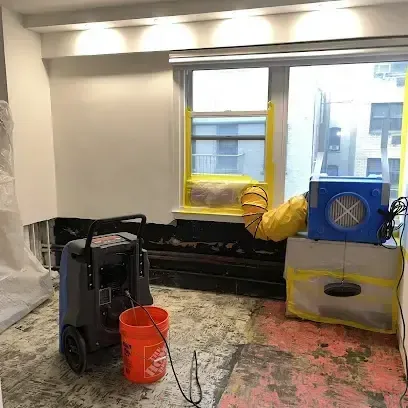
Services for each source of unwanted water
Thirteen services cover everything from a split pipe to a sewer backup, and each job closes with moisture readings that show the structure is actually dry.
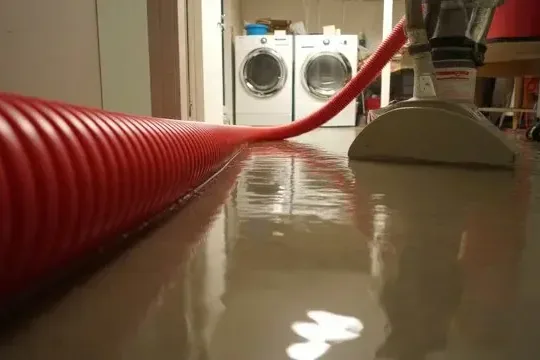 Water Extraction and RemovalStanding water pulled from carpet, tile and subfloor before it can wick into the walls.View service
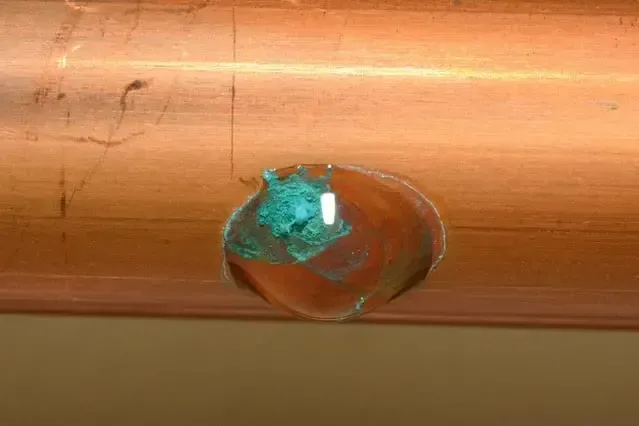 Burst Pipe Water DamageA split supply pipe can soak several rooms fast. The crew clears the water and dries the framing.View service
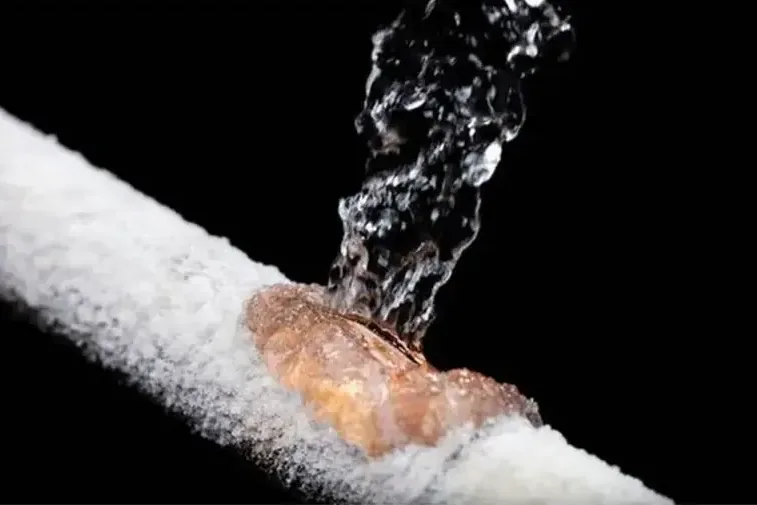 Frozen Pipe Water DamageWhen a frozen pipe splits on the thaw, the flooding starts. Water comes out first, then the wet wall cavity is dried.View service
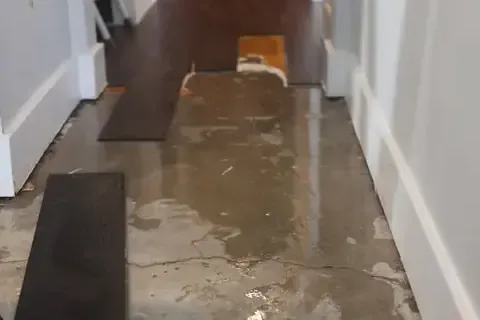 Slab Leak Water DamageA leak under the concrete floor soaks flooring from below. Warm floor spots and a running meter are the clues.View service
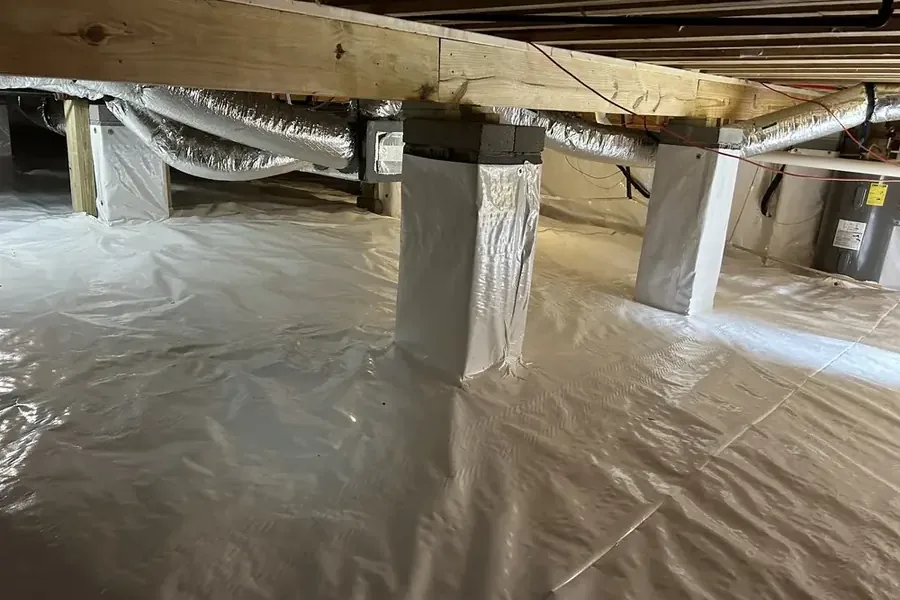 Crawl Space Water RemovalWater pooled under the house is pumped out, and the wet insulation and framing are dried.View service
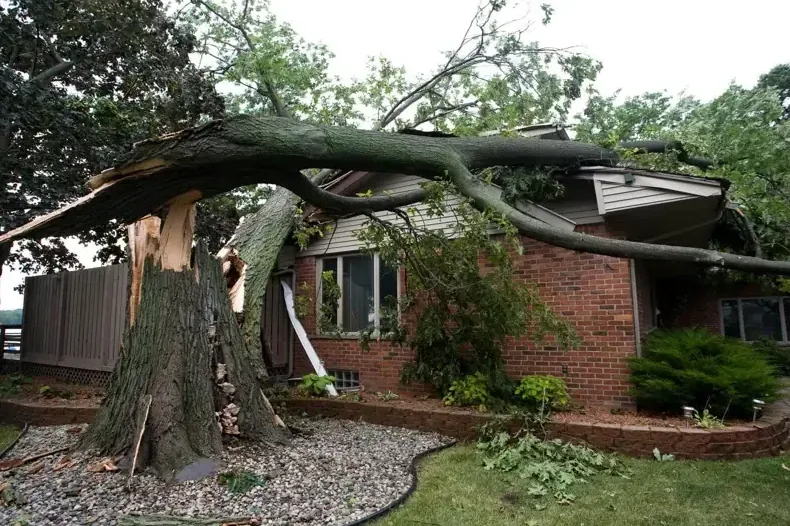 Storm and Flash Flood CleanupRunoff that finds its way indoors is hauled out, ruined materials are removed and the structure is treated and dried.View service
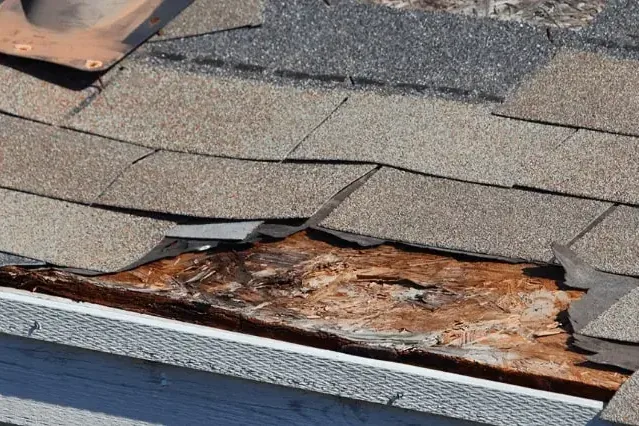 Roof Leak Water DamageRain through a storm-opened roof or a fallen tree soaks insulation and ceilings. The wet layers come out and the rest is dried.View service
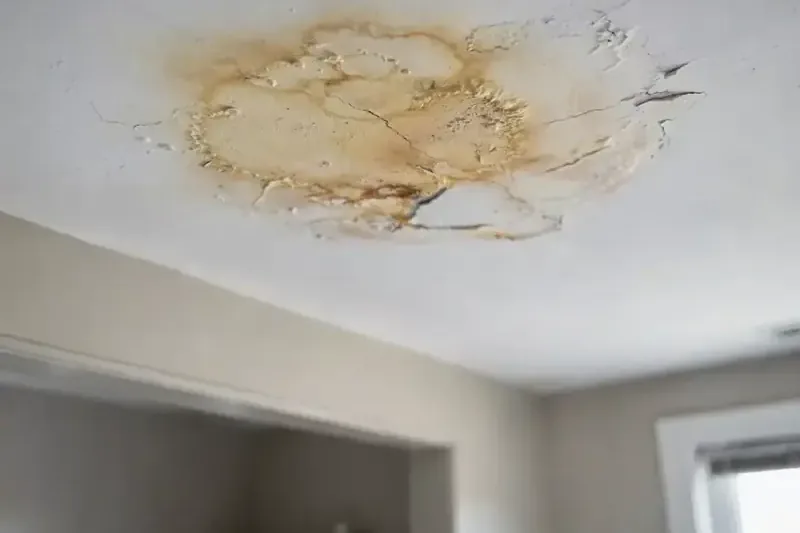 Ceiling Leak Water DamageA stained or sagging ceiling hides trapped water. It is opened, drained and dried along with the framing above.View service
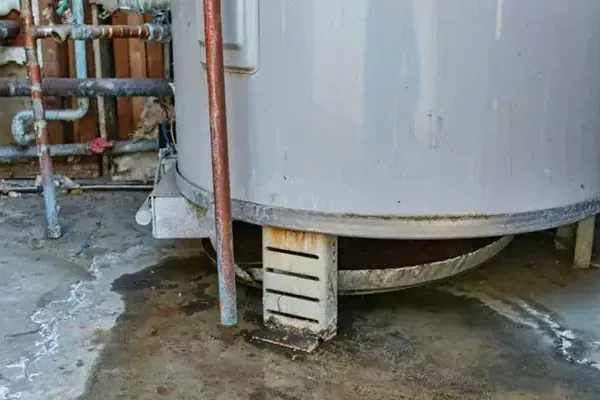 Water Heater Leak CleanupA failed tank floods the closet and the floor around it. The water is extracted and wet walls and flooring are dried.View service
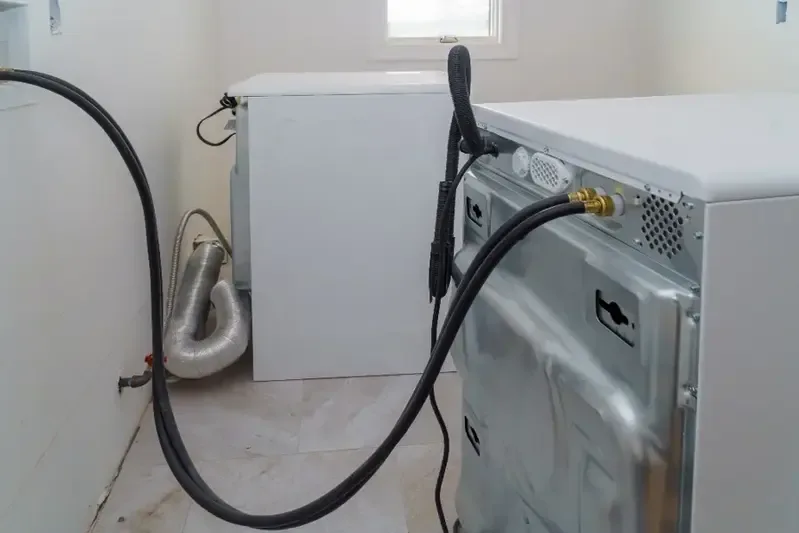 Appliance Leak Water DamageA failed hose or drain from a washer or dishwasher soaks cabinets and flooring quietly. The wet spots are found and dried.View service
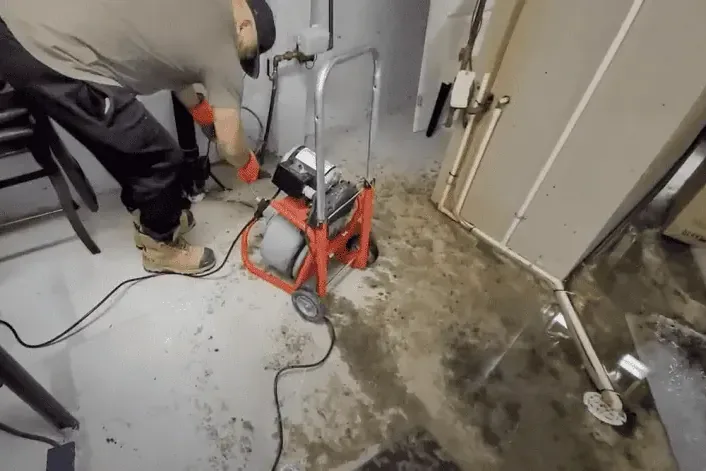 Sewage Backup CleanupContaminated water from a backed-up sewer is removed, cleaned and treated before the area is dried.View service
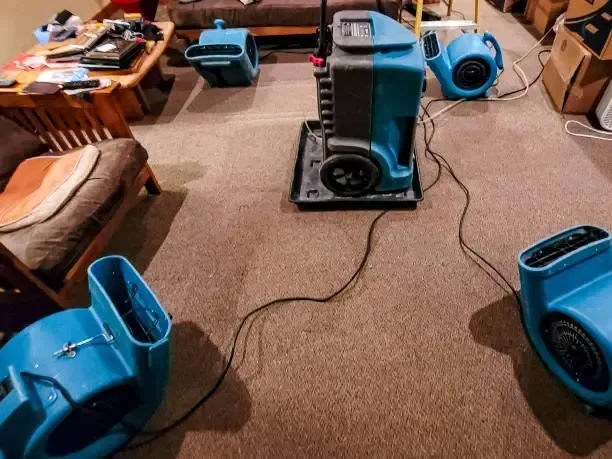 Structural Drying and DehumidificationAir movers and dehumidifiers dry walls, framing and subfloors until readings reach the dry goal.View service
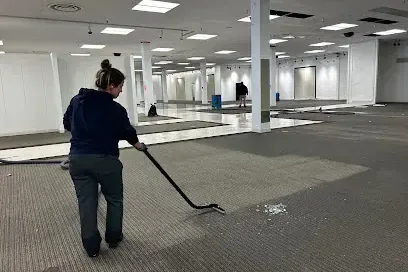 Commercial Water DamageShops, offices and larger buildings get extraction and drying planned around keeping the business running.View service
What to do while the water is still spreading
- Stop the source. Close the main shutoff, or the small valve at a toilet, sink or washer. The city lists 24/7 response for water meter and main shutoff.
- Cut power near water. Switch off breakers for the wet rooms if the panel is dry and easy to reach. Never touch outlets or cords standing in water.
- Move what can move. Lift rugs, small furniture and electronics out of the water. Leave heavy pieces for the crew.
- Photograph everything. Take wide and close photos of each wet surface before anything is removed. The pictures support the insurance claim.
- Call the response team. Describe the source and the rooms affected, and mention sewage or storm water so the right equipment is loaded.
A set routine from first look to dry readings
Each job follows the same order: find the source, extract, remove what cannot be saved, dry and confirm. The drying team records moisture at each stage so the finish is measured, not assumed.
Walk the damage
The crew traces the source, sets the water category and maps moisture through floors, walls and ceilings with meters and a thermal camera.
Extract and remove
Pumps and extractors take out standing water, then soaked padding, swollen baseboards and ruined drywall are cut away.
Set the equipment
Air movers and dehumidifiers go in by room and material, and the space is closed up so it dries evenly.
Check and sign off
Readings are taken again and again until wet materials match the dry reference, and only then does the equipment come out.
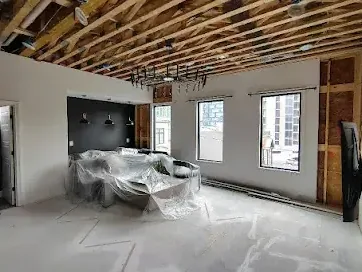
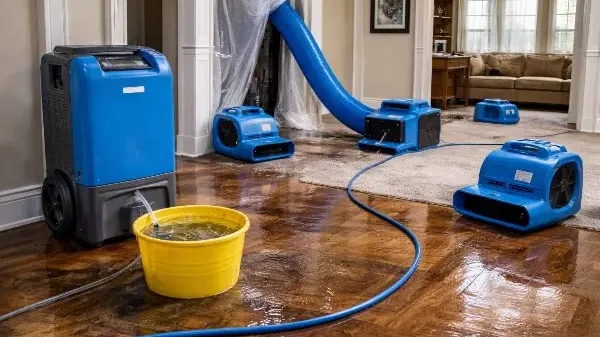
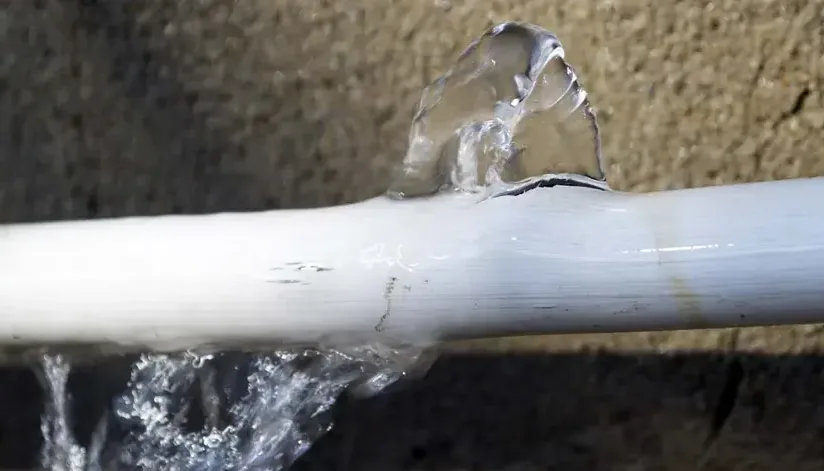
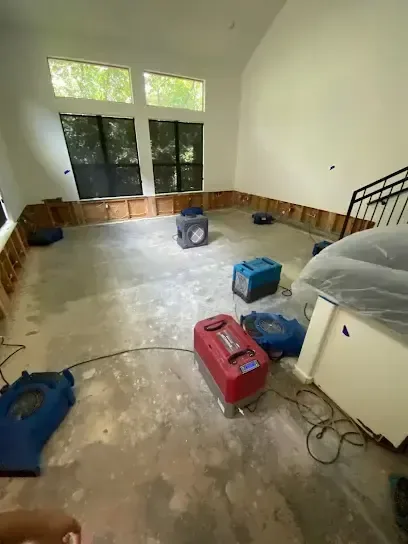
Drying equipment at work in water damaged rooms
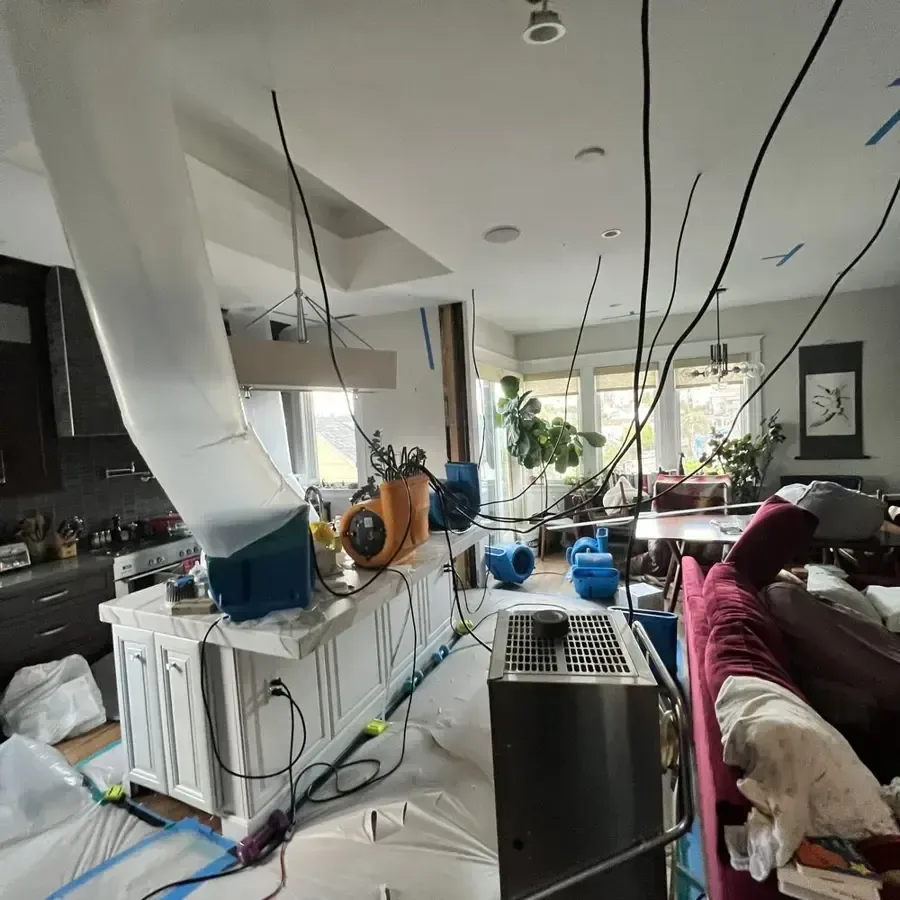
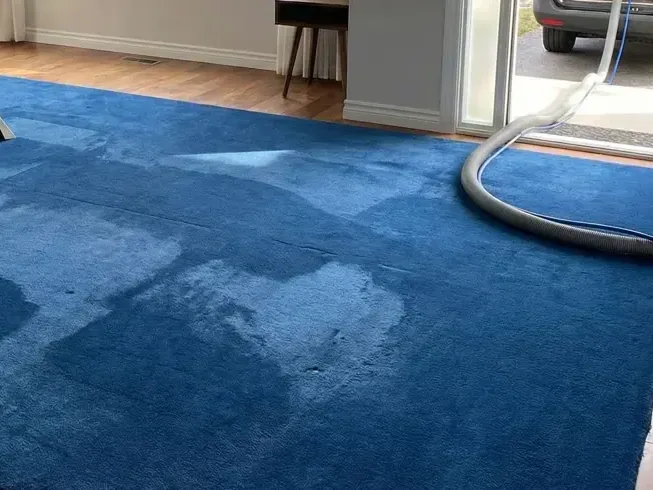
Drying is measured, not guessed
Water category first
Clean, gray and black water are handled differently, so the source is identified before any material is touched or removed.
Equipment sized to the room
Air movers and dehumidifiers are placed by room size and material rather than by a fixed count, which avoids both wasted power and wet spots left behind.
Readings at every visit
Moisture is logged at each check, so the drying record shows steady progress toward a dry structure.
Clear written records
Photos and drying logs give the adjuster the detail a claim needs, without a scramble for paperwork later.
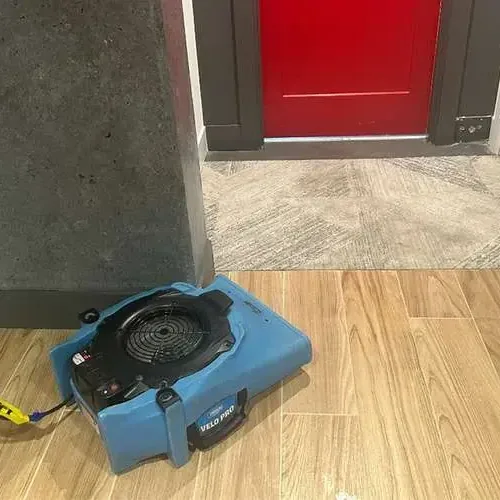
A damp-looking wall is not always a dry one. Moisture meters and thermal imaging show where water hides, so the equipment goes where it is needed and stays until the readings say stop.
Clean, gray and black water need different handling
Clean water
Burst pipes, supply fittings and ice maker hoses. Caught early, it is usually dried in place without removing much.
Burst pipe water damageGray water
Washing machines, dishwashers and drains release used water with some contamination, so porous materials often come out.
Appliance leak water damageBlack water
Sewage and storm runoff carry bacteria. Affected materials are removed, then the area is cleaned and treated.
Sewage backup cleanupWhat decides the price of water damage cleanup
Cost follows the amount of water, the number of rooms it reached and how long it sat. Clean water caught early belongs at the low end, while contaminated water or a spread across several rooms moves a job into the upper tiers. Insurance may cover a sudden source.
Single room
- Standing water extracted
- Air movers and one dehumidifier
- Clean source caught early
Several rooms
- Wet flooring and drywall removed
- Longer equipment runtime
- Moisture logged each visit
Widespread or contaminated
- Sewage or storm water
- Cabinets and walls opened
- Extended drying and monitoring
Getting ready for the insurance claim
Policies differ, but sudden water from a split pipe is more often covered than slow seepage. Early documentation gives the adjuster a clear picture of what happened.
- Photograph every wet room before anything moves
- Keep damaged items until the adjuster has seen them
- Save receipts for repairs, hotel stays and equipment
- Write down when the water started and where
- Ask the restoration team for the moisture and drying logs
What homeowners can do first
Homeowners can stop the source, lift small items out of the water and photograph the damage while waiting for the crew. Those three steps protect both the house and the claim.
Pulling up flooring, cutting drywall or running a rented fan is better left to the crew, since guesswork can spread moisture or miss pockets that stay wet.
Every price here is a typical range, not a quote. The number is set after the walkthrough, once moisture readings show how far the water traveled and what must come out.
From the historic downtown to South Point
Neighborhoods and corridors
ZIP code
Nearby towns
Wherever the water is, one call starts the response
Response covers all of ZIP 28012, from the historic downtown to South Point, and the parts of Gaston County that surround the city.
Tell the dispatcher the street, the water source and whether sewage or storm water is involved, so the right pumps and drying gear are loaded.
Call for water damage help now
See the full service area and nearby towns ›What puts local homes at risk
Belmont sits on a peninsula between the Catawba River and the South Fork Catawba River, and storms, ordinary plumbing failures and a city-run sewer system each bring their own kind of water damage.
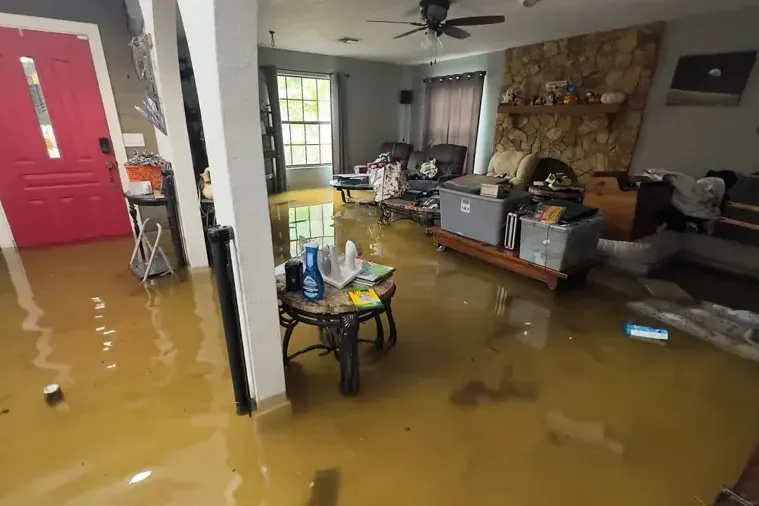
September 27, 2024 Hurricane Helene downed trees across Gaston County, left about one-third of it without power and the National Weather Service extended a flash flood warning.
Rivers on both sides
The peninsula has the Catawba River on one side and the South Fork Catawba River on the other, so rain-fed water can reach low yards and the ground beneath a house.
Storm runoff
Heavy rain from passing storms can push runoff toward garages and crawl spaces, and storm water issues can be reported through the city's online portal or Public Works.
Older downtown buildings
The downtown historic district holds 264 contributing buildings in Colonial Revival, Tudor Revival and Bungalow styles, where roof and plumbing leaks can run through older framing.
Growth and mixed plumbing
The city grew 49.0% from 2010 to 2020, so homes of very different ages sit side by side and plumbing failures show up in different ways.
City water and sewer
The city runs its own water and sewer system, and WaterSmart leak alerts help customers catch a hidden leak before it becomes a flooded room.
Water damage questions from local homeowners
Water still coming in?
Stop reading and act. Close the main if it is safe, keep away from outlets, and call the response team.
(888) 532-8921 Call the crew nowWhat should be done first when a pipe bursts?
Close the main shutoff, then turn off breakers for the wet rooms if the panel is dry. Lift small items out of the water, take photos, and call the restoration team so extraction can begin.
How long does drying usually take?
There is no single number. Drying depends on the amount of water, the materials and the humidity, and the drying team keeps equipment running until moisture readings match dry reference points. Dense materials such as hardwood and framing take longer than drywall.
Will homeowner insurance pay for water damage?
Coverage depends on the policy and the cause. Sudden events such as a split pipe or an overflow are often covered, while long-term seepage usually is not. The adjuster decides, and thorough photos and drying logs help.
Can wet carpet and padding be saved?
Carpet soaked by clean water and reached promptly can often be dried in place, although the padding is usually replaced. Gray or black water ruins carpet fibers and padding, so those materials are removed.
Who handles a sewer backup, the city or a plumber?
The city runs the sewer system and takes reports through its online Report a Problem portal or Public Works. Who owns the pipe in a given case is a question for the city or a plumber. The sewage backup cleanup itself is separate work.
Does the city adjust the bill after a leak?
After a water leak, the sewer portion of the bill can be adjusted when the customer completes the city's Leak Adjustment Form. The WaterSmart portal also lets customers check usage and set leak alerts.
Does water damage always lead to mold?
No, but damp drywall, insulation and framing left alone for more than a day or two invite mold growth. Fast extraction and steady structural drying remove the moisture it needs.
Does storm water need different cleanup than a pipe leak?
Yes. Runoff carries soil and bacteria, so it is treated as contaminated. Wet carpet and padding usually come out, hard surfaces are cleaned and treated, and the structure is dried afterward. See storm and flash flood cleanup.
Is a slow leak under a sink an emergency?
A slow leak is less urgent than a burst pipe, but hidden moisture still damages cabinets and flooring. Shut the supply valve, dry what is visible, and have the area checked with a moisture meter.
Does the crew work on shops and offices too?
Yes. Commercial jobs, such as shops and offices in the historic downtown, are planned around keeping the business running, with extraction, drying and cleanup scheduled to limit the shutdown.
Water is still moving through the walls? Start the cleanup now.
Wet materials keep absorbing water while the decision waits. The response team covers ZIP 28012 and the ground around it.
(888) 532-8921Call for a drying crew