Water Extraction and Removal in Clover, SC
Standing water keeps soaking into pad, subfloor and the bottom of drywall until it is physically removed. The extraction crew pulls it with truck-mounted and portable units across Clover, then sets up drying.
(888) 532-8921Get the standing water pumped out first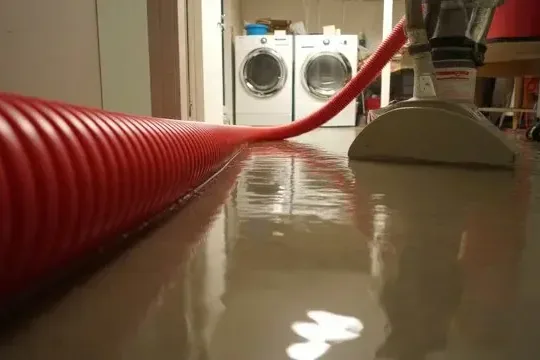
What every water extraction and removal job is held to
Treated as urgent, any hour
Active water is treated as urgent at any hour. The response team rolls with extraction gear, air movers and meters, nights and weekends included.
Dried to the IICRC S500 goal
Air movers and LGR dehumidifiers are sized to the class of loss and stay on site until the readings reach the dry goal.
A claim file built every day
Moisture maps, psychrometric logs and timestamped photos are kept from the first visit on, the record an adjuster looks for.
First steps for water extraction and removal while help is on the way
- Shut off the source. Close the main or the fixture valve so no new water reaches the floor.
- Clear the floor. Lift rugs, cords, boxes and small furniture so the wand can reach every wet area.
- Stay off wet carpet. Walking on soaked carpet pushes water into the pad and spreads it to dry rooms.
- Leave the pumping to the crew. Shop vacuums stall on pad and miss what sits under the baseboard.
What does water extraction and removal cost in Clover, SC?
Water extraction on its own typically runs $350 to $1,500 here, and most jobs pair it with drying for $1,500 to $5,000 total. Square footage, carpet versus hard floors and whether pad or crawl space work is needed move the number.
Small area
- One room or a hallway
- Clean water on carpet or tile
- Extraction plus a short dry
Several rooms
- Carpet and pad in several rooms
- Baseboards pulled for drying
- Three to five days of equipment
Whole floor or crawl space
- Water across a full level
- Crawl space pumping and insulation
- Category 2 or 3 removal
Ranges are typical, not a quote: the water category, square footage, material class and how fast drying started move the number most. Run the water damage cost calculator for a closer range.
How water extraction and removal is handled, start to dry
The tech on the walkthrough maps moisture before any equipment goes down, and the gear stays until the readings say dry, not until the room looks dry.
Find and stop
The source is located and stopped before extraction begins.
Map the water
Meters trace how far water traveled under flooring and walls.
Extract
Truck-mounted and portable units remove water from every layer.
Start drying
Air movers and dehumidifiers go where the readings point.
Extraction is the first and cheapest step in any water loss. Every gallon pulled out with a pump or wand is a gallon the dehumidifiers never have to evaporate, which is why the crew extracts thoroughly before a single air mover is set. Skipping it, or relying on towels and a shop vacuum, leaves water in the pad and under the baseboard where it keeps wicking upward.
What extraction removes
- Standing water on tile, vinyl plank and concrete
- Water held in carpet and the pad underneath
- Water pooled in a crawl space or on a garage slab
- Water trapped under baseboards and in cabinet toe kicks
Weighted extraction tools press carpet against the pad so the vacuum draws water out of both layers at once. When the pad is soaked with gray or black water, it is pulled and bagged instead of extracted.
Water still standing on the floor? The extraction crew can start pumping as soon as it arrives.
Send the extraction rig overTruck-mounted or portable units
Truck-mounted units carry the most lift and run off the truck, so hoses reach through a door to almost any room. Portable extractors and submersible pumps take over where hoses cannot go, such as a second floor, a tight crawl space or a commercial suite above another tenant. On a larger loss, both run at the same time.
After the water is out
Once the surface feels dry, the walls, subfloor and framing still hold water. Moisture readings decide where air movers and LGR dehumidifiers go next, and the drying log starts right away. For flood safety basics, see Ready.gov on floods, and for leak checks once the cleanup is done, the EPA WaterSense program has simple home tests.
Water extraction and removal across Clover and nearby communities
Where the crews work
The response team covers ZIP 29710 end to end: the Downtown Historic District and Main Street, Timberlake and Mountainview Road off SC 55, Bethel and Bethany, and the coves along the Lake Wylie shoreline.
Nearby coverage reaches York, Lake Wylie, Gastonia, Bessemer City, Belmont, Tega Cay, Rock Hill, Fort Mill.
Related water damage services
Water Extraction and Removal questions, answered
Still dealing with it?
Water still standing on the floor? The extraction crew can start pumping as soon as it arrives.
(888) 532-8921 Send the extraction rig overHow much water can extraction remove?
Truck-mounted extraction removes nearly all standing water and much of what carpet and pad hold. What stays in walls and subfloor comes out with air movers and LGR dehumidifiers over the next several days.
Can a shop vacuum do the same job as water extraction?
A shop vacuum picks up surface water but cannot pull water out of carpet pad, from under baseboards or off a crawl space floor. Water left behind keeps wicking into drywall, which is why professional extraction comes first.
Does the carpet have to be replaced after water extraction?
Not always. Carpet soaked with clean water and extracted quickly can often be dried in place, while the pad is sometimes replaced. Carpet touched by sewage or storm water is removed.
How soon should water extraction start?
As soon as the source is stopped. Water moves into pad, subfloor and drywall within hours, and after 24 to 48 hours growth can start, so the earlier the pumps run, the less has to be torn out.
Is water extraction billed to insurance?
When the loss is sudden and accidental, extraction is usually part of the mitigation scope on the claim. The crew documents the water with photos and readings; coverage depends on your policy, so check with your own insurer.
What happens to furniture during water extraction?
Furniture is moved off the wet area or set on blocks and foil so the legs do not stain the carpet. Items that soaked up contaminated water are photographed and listed for the claim before removal.
Standing water on the floor? Get it out before it climbs the walls.
Every gallon pulled now is a gallon that never soaks into drywall. The extraction crew brings truck-mounted gear.
(888) 532-8921Get the pumps running on it