Storm and Flash Flood Cleanup in Gastonia, NC
Crowder's Creek flooded fast in December 2015, and storms can push muddy water into garages and ground floors. The mitigation team removes it, hauls out what it soaked and dries the whole structure until it reads dry.
(888) 532-8921Call to clear the flood water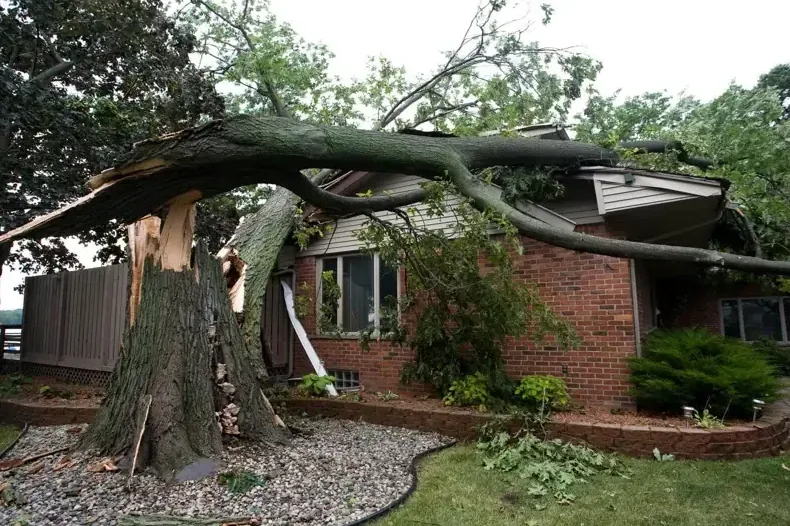
What every storm and flash flood cleanup job is held to
Treated as urgent, any hour
Active water is treated as urgent at any hour. The response team rolls with extraction gear, air movers and meters, nights and weekends included.
Dried to the IICRC S500 goal
Air movers and LGR dehumidifiers are sized to the class of loss and stay on site until the readings reach the dry goal.
A claim file built every day
Moisture maps, psychrometric logs and timestamped photos are kept from the first visit on, the record an adjuster looks for.
First steps for storm and flash flood cleanup while help is on the way
- Stay out until it is safe. Standing flood water can hide electrical hazards, so power and entry are checked before work.
- Document the flood. Photos and notes record the water level and the damaged contents.
- Pump and haul out. Water is pumped out, then mud, silt and soaked materials are hauled away.
- Clean and dry. Surfaces are cleaned and treated, then equipment dries the structure.
What does storm and flash flood cleanup cost in Gastonia, SC?
Storm flood cleanup in Gastonia runs from $3,000 for a garage or crawl space to $35,000 when deep or long-standing water reached living areas, because contaminated water means more materials come out.
Garage or crawl space
- Mud and silt removed
- Water pumped out
- Surfaces treated
Living space, one level
- Flooring and pad hauled
- Drywall cut above the mark
- Days of structural drying
Deep or long-standing water
- Multiple rooms affected
- Framing cleaned and treated
- Extended drying and readings
Ranges are typical, not a quote: the water category, square footage, material class and how fast drying started move the number most. Run the water damage cost calculator for a closer range.
How storm and flash flood cleanup is handled, start to dry
The tech on the walkthrough maps moisture before any equipment goes down, and the gear stays until the readings say dry, not until the room looks dry.
Check safety
Power, entry and contamination are assessed first.
Pump and haul
Water, mud and soaked materials leave the building.
Clean and treat
Hard surfaces and framing are cleaned and treated.
Dry and verify
Equipment runs until readings match dry material.
Flood water from a creek or storm drain carries silt, bacteria and debris, so it is treated as contaminated from the start. Porous materials it touched, such as carpet, pad, insulation and low drywall, are removed rather than dried, and hard surfaces are cleaned and treated.
A creek that rose in one morning
On the morning of December 30, 2015, Crowder's Creek flooded fast and residents of a mobile home park had to evacuate. The Gastonia Fire Department rescued more than a handful of people from the lower part of the park, no injuries were reported and the Red Cross helped families.
Flood water in the house? Get it pumped out and the muck hauled away.
Call about the storm floodHurricane rain and wind
As Hurricane Helene moved through North Carolina on September 27, 2024, a flash flood warning was extended until 2 p.m. and emergency management watched Mountain Island Lake and the South Fork and Catawba rivers. Former Hurricane Florence brought two days of rain and wind in September 2018.
What happens after the water drops
Mud and silt are shoveled and vacuumed out, soaked drywall is cut off above the water mark and the framing is dried and treated. Gastonia averages 43.95 inches of rain a year, so a storm cleanup often has to be finished between wet spells. When drains back up with the flood, sewage backup cleanup follows the same contaminated water rules.
Storm and flash flood cleanup across Gastonia and nearby communities
Where the crews work
Storm cleanup covers Gastonia wherever water reaches, from properties along Crowder's Creek to the streets served by Interstate 85, US 29 and US 74 and the districts around Loray Mill and the FUSE District.
The same service nearby: storm and flash flood cleanup in Clover, Bessemer City, Belmont.
Related water damage services in Gastonia
Storm and Flash Flood Cleanup questions, answered
Still dealing with it?
Flood water in the house? Get it pumped out and the muck hauled away.
(888) 532-8921 Call about the storm floodIs flood water from a creek safe to handle?
No. Creek and runoff water can carry bacteria, sewage and chemicals, so it is handled with protective gear and treated as contaminated until the materials it touched are removed and cleaned.
What can be saved after a flood?
Hard nonporous items and solid framing can usually be cleaned and dried. Carpet, pad, insulation, particle board and soaked drywall that touched flood water are usually hauled away.
How long after a storm should cleanup start?
As soon as it is safe to enter. Flood water that sits keeps soaking into materials and lets bacteria spread, and the drying has to begin before the wood and drywall stay wet for days.
Does a hurricane warning mean flooding at home?
Not by itself. The same storm that triggers a flash flood warning may mainly bring wind and downed trees, so the roof, ceilings and yard should be checked along with the floors.
Will insurance pay for flood damage?
Many homeowner policies exclude rising flood water, while wind and rain through a storm opening may be treated differently. The adjuster decides, so document everything and ask the insurer early.
How long does a flood cleanup take?
Hauling and cleaning usually take a few days, and structural drying adds several more. Deep or long-standing water takes the longest because more materials come out.
Creek or storm water inside needs a crew now
Call with the water depth, the rooms it reached and what has been moved. The mitigation team plans the removal, cleaning and drying around those details.
(888) 532-8921Call to clean up the flood