Commercial Water Damage in Belmont, NC
When water reaches a shop or an office, work stops until the building dries. In Belmont, the response team plans extraction and drying so the doors can stay open wherever possible and the downtime stays short.
(888) 532-8921Get the building dried out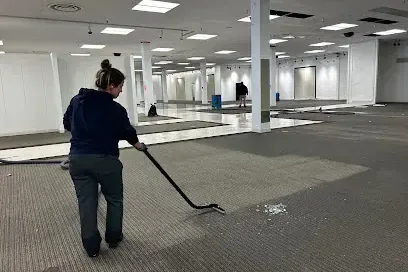
What every commercial water damage job is held to
Treated as urgent, any hour
Active water is treated as urgent at any hour. The response team rolls with extraction gear, air movers and meters, nights and weekends included.
Dried to the IICRC S500 goal
Air movers and LGR dehumidifiers are sized to the class of loss and stay on site until the readings reach the dry goal.
A claim file built every day
Moisture maps, psychrometric logs and timestamped photos are kept from the first visit on, the record an adjuster looks for.
First steps for commercial water damage while help is on the way
- Stop the supply. Close the valve or main, and switch off circuits that reach the wet area.
- Lift valuables off the floor. Raise stock, files and electronics onto shelves or tables.
- Tell the insurer. Report the loss promptly and photograph the damage.
- Brief the crew. Describe the floors, tenants and hours so the right equipment is staged.
What does commercial water damage cost in Belmont, SC?
Commercial water damage typically runs from $3,000 for a small suite or shop up to $60,000 for a warehouse or multi-tenant building. The floor area, the contents and the water type drive the number.
Small suite or shop
- Water extraction from floors
- Local drying of the suite
- Inventory protection
Large floor
- Carpet tile removal
- Zone by zone drying
- Daily moisture monitoring
Warehouse or multi-tenant
- Multiple tenant areas
- Heavy equipment
- Project coordination
Ranges are typical, not a quote: the water category, square footage, material class and how fast drying started move the number most. Run the water damage cost calculator for a closer range.
How commercial water damage is handled, start to dry
The tech on the walkthrough maps moisture before any equipment goes down, and the gear stays until the readings say dry, not until the room looks dry.
Survey
Wet areas are mapped.
Extract and shield
Water comes out and contents are protected.
Stage the dryers
Equipment goes in so neighboring rooms keep working.
Document
Photos and moisture logs go to the owner and insurer.
Belmont's historic downtown has shops and offices in older masonry buildings, City Hall sits in a former post office, and former textile buildings now serve other uses. Every one of those has different floors, finishes and wiring, so each gets a drying plan of its own.
Order of work on a business loss
- Valuables, files and equipment are protected first
- Water is pulled from floors and carpet tiles
- Drying moves zone by zone so unaffected rooms stay open
- Moisture logs go to the owner and the insurer
Large floors need more equipment and closer monitoring than a house does.
Water on the sales floor or in the office? The response team protects the contents and dries the rest.
Dispatch the drying crewWhat stays open
Zone by zone drying lets unaffected rooms keep running, and containment keeps humid air out of them. A reception area or back office can often stay in use while the wet zone is dried.
Why speed matters for a business
Each closed day costs income, and wet drywall and carpet begin to break down. See structural drying for how the equipment is staged.
Commercial water damage across Belmont and nearby communities
Where the crews work
Commercial water damage service covers businesses and institutions across ZIP 28012, from the historic downtown to South Point along Wilkinson Boulevard, Interstate 85 and North Carolina Highway 7.
The same service nearby: commercial water damage in Clover, Gastonia, Tega Cay.
Related water damage services in Belmont
Commercial Water Damage questions, answered
Still dealing with it?
Water on the sales floor or in the office? The response team protects the contents and dries the rest.
(888) 532-8921 Dispatch the drying crewCan the business stay open during the work?
Partly, in many cases. Drying is phased, so unaffected rooms keep running while wet zones are closed off and ventilated.
How are shared buildings handled?
Each tenant space is treated on its own, with moisture tracked by unit and a separate record for every tenant and for the owner.
What happens to stock and files?
Items are lifted off the floor and moved to dry areas first. Anything that cannot be saved is photographed before disposal so the claim is documented.
Does the crew deal with the insurer?
The crew supplies photos, moisture logs and invoices to the owner and the adjuster. The insurer decides coverage and approves the scope.
Does a lease change who handles the loss?
Often. Lease terms decide whether the owner or the tenant carries the claim for floors, walls and contents, so the lease and the policy are worth reading early.
Can large floors dry without being torn up?
Sometimes. Carpet tile and some hard floors dry in place if reached promptly, while wet padding and drywall are removed and replaced. See water extraction for the first step.
Closed by a water loss? Start with a phased plan.
Wet floors and walls keep a business closed until they are dry. The response team extracts the water, shields the contents and stages equipment to cut the downtime.
(888) 532-8921Call about the water loss