Structural Drying and Dehumidification in Belmont, NC
Once the standing water is gone, the moisture left in walls, framing and subfloors still has to leave. In Belmont, the drying team places air movers and dehumidifiers and checks readings until the structure is dry.
(888) 532-8921Get the structure dried out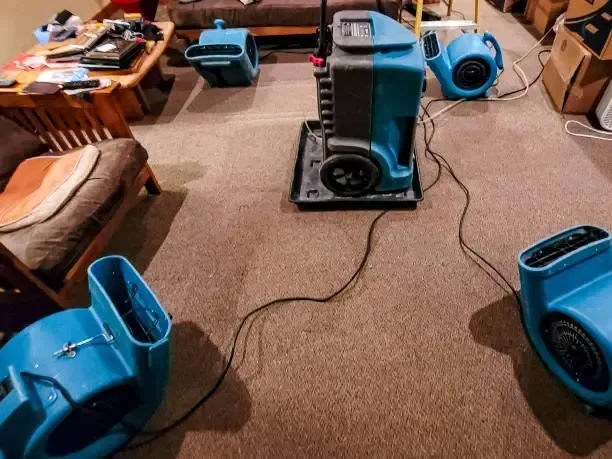
What every structural drying and dehumidification job is held to
Treated as urgent, any hour
Active water is treated as urgent at any hour. The response team rolls with extraction gear, air movers and meters, nights and weekends included.
Dried to the IICRC S500 goal
Air movers and LGR dehumidifiers are sized to the class of loss and stay on site until the readings reach the dry goal.
A claim file built every day
Moisture maps, psychrometric logs and timestamped photos are kept from the first visit on, the record an adjuster looks for.
First steps for structural drying and dehumidification while help is on the way
- Make the room ready. Open doors to wet cabinets and clear furniture for airflow.
- Keep windows closed. Humid outdoor air slows dehumidifiers.
- Leave equipment alone. Moving or switching off units disrupts the drying plan.
- Expect some noise. Equipment runs around the clock until readings pass.
What does structural drying and dehumidification cost in Belmont, SC?
Structural drying typically runs from $1,000 for one or two rooms up to $10,000 for dense materials. The number of rooms, the materials and how wet they are set the amount.
One or two rooms
- Air movers and one dehumidifier
- Daily moisture readings
- Drying log
Several rooms
- More equipment
- Wall cavity drying
- Extended runtime
Dense materials
- Hardwood, plaster or concrete
- Longer equipment run
- Careful monitoring
Ranges are typical, not a quote: the water category, square footage, material class and how fast drying started move the number most. Run the water damage cost calculator for a closer range.
How structural drying and dehumidification is handled, start to dry
The tech on the walkthrough maps moisture before any equipment goes down, and the gear stays until the readings say dry, not until the room looks dry.
Map the moisture
Meters and thermal imaging show wet areas.
Place the equipment
Units go in by room and material.
Check each visit
Readings are logged and equipment adjusted.
Finish when dry
Equipment leaves at dry reference readings.
Belmont has older masonry and framing in the downtown historic district and converted textile buildings that now serve other uses. Materials like those hold water in different ways, so drying there is based on moisture readings rather than on a fixed schedule.
How the equipment works
- Air movers push dry air across wet surfaces to speed evaporation
- Dehumidifiers pull the vapor out of the air so it does not settle again
- Containment closes the room so the equipment dries only the wet space
- Wall and floor openings let air reach trapped cavities
Drying is not a matter of running fans. Without dehumidification, the moisture just moves from the walls into the air. That is why air movers alone are never enough.
Water gone but walls still damp? The drying team removes the moisture that remains.
Start the structural dryingWhy readings decide the finish
Dense materials such as hardwood, plaster and concrete release water slowly. The crew checks moisture on a schedule and moves or removes equipment as areas dry, so nothing runs longer than needed.
Where drying fits
It follows water extraction on almost every job. Left wet for more than a couple of days, framing invites mold. Early, steady drying keeps wood sound and keeps flooring from cupping.
Structural drying and dehumidification across Belmont and nearby communities
Where the crews work
Structural drying covers all of ZIP 28012, from the older buildings in the downtown historic district to South Point and the properties along Interstate 85, Wilkinson Boulevard and North Carolina Highway 7.
The same service nearby: structural drying and dehumidification in Clover, Gastonia, Tega Cay.
Related water damage services in Belmont
Structural Drying and Dehumidification questions, answered
Still dealing with it?
Water gone but walls still damp? The drying team removes the moisture that remains.
(888) 532-8921 Start the structural dryingHow long does structural drying take?
That depends on the amount of water and the materials. Drywall dries faster than hardwood, plaster or concrete, and the crew keeps equipment running until readings match the dry reference.
Can the house be lived in while equipment runs?
Often, though the noise and heat are noticeable. If water was contaminated, the affected area should stay closed until the work is finished, as in sewage backup cleanup jobs.
Will the electric bill go up?
Yes, since the equipment runs continuously. Drying records document the runtime and can support the insurance claim.
Why are walls opened during drying?
Small openings or removed baseboards let air reach cavities where water is trapped. Closed cavities keep moisture in and slow the process.
What do the moisture readings mean?
Each material has a dry reference reading. The crew compares wet areas with unaffected parts of the same house, and drying ends only when the two sets of numbers match.
Can the equipment be turned off at night?
No. Drying depends on continuous airflow and dehumidification, and shutting units off lets moisture settle back into the materials. The crew checks and adjusts equipment on each visit.
Does insurance cover drying?
Usually when the water came from a sudden source. Drying logs and moisture readings give the adjuster what is needed.
Damp framing behind the finishes? Dry it before it spoils.
Moisture left in framing and subfloors damages materials long after the surface looks fine. The drying team places equipment and checks readings.
(888) 532-8921Belmont structural drying help