Water Extraction and Removal in Belmont, NC
Standing water works into padding, baseboards and the subfloor the longer it sits. In Belmont, the extraction crew pulls it out with pumps and wands, then moves straight to drying the wet structure.
(888) 532-8921Get the standing water pumped out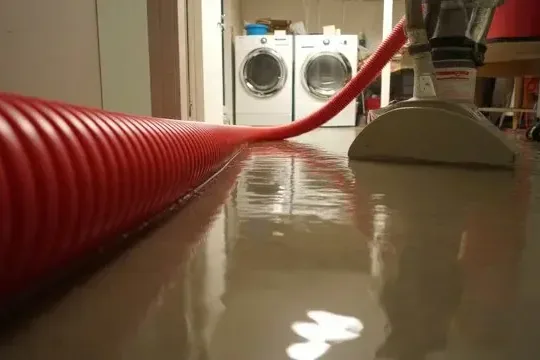
What every water extraction and removal job is held to
Treated as urgent, any hour
Active water is treated as urgent at any hour. The response team rolls with extraction gear, air movers and meters, nights and weekends included.
Dried to the IICRC S500 goal
Air movers and LGR dehumidifiers are sized to the class of loss and stay on site until the readings reach the dry goal.
A claim file built every day
Moisture maps, psychrometric logs and timestamped photos are kept from the first visit on, the record an adjuster looks for.
First steps for water extraction and removal while help is on the way
- Stop the inflow. Shut off the main or the valve at the failed fixture so the water stops rising.
- Switch off power. Turn off breakers feeding the wet rooms if the panel is dry. Avoid wet outlets.
- Lift what is wet. Pull up small rugs, boxes and electronics, and prop furniture legs on foil or plastic.
- Photograph the water. Capture the depth and spread before extraction begins, for the insurance file.
What does water extraction and removal cost in Belmont, SC?
Water extraction typically runs from $350 for a small area up to $12,000 for a whole floor or crawl space. Depth, square footage and the water type decide where a job lands, and the final figure follows the walkthrough.
Small area
- Pump or wand extraction
- One room checked with meters
- Basic drying setup
Several rooms
- Wet padding removed
- Baseboards and lower drywall checked
- Dehumidifier and air movers
Whole floor or crawl space
- Large pumps and long hoses
- Insulation and flooring removal
- Extended drying and logs
Ranges are typical, not a quote: the water category, square footage, material class and how fast drying started move the number most. Run the water damage cost calculator for a closer range.
How water extraction and removal is handled, start to dry
The tech on the walkthrough maps moisture before any equipment goes down, and the gear stays until the readings say dry, not until the room looks dry.
Assess the water
The crew sets the water type and traces how far it has traveled.
Extract
Pumps and wands remove standing water from every surface.
Remove soaked layers
Padding and ruined materials come out.
Dry and confirm
Equipment runs until readings match the dry goal.
Belmont sits on a peninsula between the Catawba River and the South Fork Catawba River. On September 27, 2024, Hurricane Helene brought a flash flood warning and river watches to Gaston County, a reminder that storm rain is one way standing water ends up indoors. Burst pipes and failed appliances put it there just as often, and the first steps of the cleanup are the same.
How the extraction works
- Pumps clear deep water before anything else is touched
- Weighted wands draw water out of carpet and pad
- Hard floors are squeegeed and vacuumed along edges and seams
- Moisture meters find what the visible water left behind
Pulling the water first lowers the drying load, so the equipment that follows has far less moisture to remove from the structure. See structural drying for what happens next.
Water standing on the floor? The extraction crew pulls it out and starts the drying.
Send the extraction crewWhat the water leaves behind
Even after the surface looks dry, water sits inside padding, baseboards, lower drywall and the subfloor. Those layers hold moisture that feeds odor and, after a couple of days, mold. That is why extraction leads into drying instead of ending the job, and why a room that looks clean can still read wet.
Water type matters
Clean water from a supply pipe can often be dried in place. Water that came from outside or from a drain carries contamination, so the crew removes porous materials and cleans surfaces before drying begins. The type is set at the first walkthrough.
Water extraction and removal across Belmont and nearby communities
Where the crews work
Extraction work runs across the whole city in ZIP 28012, from the historic downtown to South Point and the properties along Wilkinson Boulevard, Interstate 85 and North Carolina Highway 273.
The same service nearby: water extraction and removal in Clover, Gastonia, Tega Cay.
Related water damage services in Belmont
Water Extraction and Removal questions, answered
Still dealing with it?
Water standing on the floor? The extraction crew pulls it out and starts the drying.
(888) 532-8921 Send the extraction crewHow quickly does the water need to come out?
As soon as possible. Water that sits keeps spreading into walls and subfloor, and the longer materials stay wet, the more of them have to be removed instead of dried.
Can the crew extract from a crawl space?
Yes. Submersible pumps clear standing water under the house, and the wet insulation and framing are then checked and dried. Storm water or sewage there is handled as contaminated.
Does extraction remove all of the moisture?
No. It takes out the standing water. Moisture held inside padding, wood and drywall needs air movers and dehumidifiers, which is why drying follows extraction.
What if the water came from outside?
Storm water and runoff are treated as contaminated, so wet carpet and padding are usually discarded and hard surfaces are cleaned and treated. See storm and flash flood cleanup.
Is it safe to walk through standing water?
Not before the power is off. Water near outlets, cords or a live panel can carry current, so stay out until the breakers are off or an electrician says otherwise.
Will furniture be moved during extraction?
Yes. The crew moves furniture, props the legs on blocks and works around heavy pieces, so the wet spots underneath are not missed.
Does insurance cover extraction?
Often, when the water came from a sudden source such as a pipe failure. Policies differ, so photographs and the drying log help the adjuster.
Water still pooling? It keeps soaking deeper.
Padding, baseboards and subfloor keep absorbing what pools above them. The extraction crew removes the water and sets drying equipment before the damage spreads further.
(888) 532-8921Call for water removal