Water Extraction in Gastonia, NC
Pumps and extraction wands pull standing water out of carpet, hardwood and subfloors in Gastonia homes, and drying equipment goes in right behind them before the moisture can reach the framing.
(888) 532-8921Call to get the water pumped out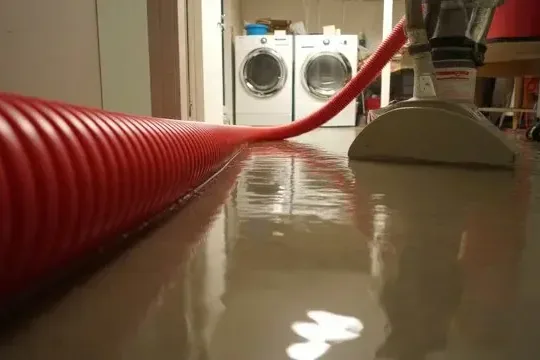
What every water extraction and removal job is held to
Treated as urgent, any hour
Active water is treated as urgent at any hour. The response team rolls with extraction gear, air movers and meters, nights and weekends included.
Dried to the IICRC S500 goal
Air movers and LGR dehumidifiers are sized to the class of loss and stay on site until the readings reach the dry goal.
A claim file built every day
Moisture maps, psychrometric logs and timestamped photos are kept from the first visit on, the record an adjuster looks for.
First steps for water extraction and removal while help is on the way
- Locate the water. Check how deep it is, where it is spreading and whether the source has been shut off.
- Pump and vacuum. Pumps clear the depth while wands and vacuums pull water from carpet, pad and between boards.
- Remove what cannot dry. Saturated pad, insulation and swollen trim are cut out and bagged for disposal.
- Read the moisture. Meters check walls and subfloors, and the readings decide where drying equipment goes next.
What does water extraction and removal cost in Gastonia, SC?
Extraction in Gastonia usually runs from $350 for a small area to $12,000 for a whole floor or crawl space, and the depth of the water, its type and how much material has to be removed decide where a job lands.
Small area
- One room of standing water
- Pump and vacuum pass
- Quick moisture check
Several rooms
- Water in two or more rooms
- Pad lifted and bagged
- Readings in each room
Whole floor or crawl space
- Large pumps under the house
- Insulation and debris removed
- Subfloor readings taken
Ranges are typical, not a quote: the water category, square footage, material class and how fast drying started move the number most. Run the water damage cost calculator for a closer range.
How water extraction and removal is handled, start to dry
The tech on the walkthrough maps moisture before any equipment goes down, and the gear stays until the readings say dry, not until the room looks dry.
Assess the loss
Depth, source and hazards are checked first.
Extract the water
Pumps and wands remove standing water and carpet moisture.
Remove soaked materials
Pad and insulation that cannot dry are cut out.
Plan the drying
Readings in walls and subfloors set the equipment.
Standing water in a Gastonia house is a race against the materials it touches. Pad, drywall and subfloor soak it up quickly, so extraction comes first, and everything that follows depends on how much water is left behind. Pumps handle the depth, and wands and vacuums handle what is left in carpet and between boards.
What the extraction covers
- Standing water pumped from floors, garages and crawl spaces
- Wet carpet and pad extracted or lifted for disposal
- Water pulled from between hardwood boards with mats and vacuums
- Moisture readings taken in walls and subfloors afterward
Anything that cannot be dried in place, such as saturated pad or soaked insulation, is cut out and bagged so it stops holding water against the structure. Hauling it out early also keeps odors from setting in.
Water still on the floor? Pumps and wands can clear it before it spreads.
Call for extraction helpRain and creek water here
Rain is behind much of the standing water here. August is the wettest month at 4.55 inches on average, June follows at 4.29 inches, and Crowder's Creek rose fast on December 30, 2015. Water that came in from outside is handled as contaminated, which changes what can be kept.
When extraction should start
The earlier the water comes out, the smaller the job. Each hour water sits in carpet, pad and drywall lets it travel farther, and a late start turns a pumping job into a drying and rebuild job. Structural drying in Gastonia follows once the standing water is gone.
Water extraction and removal across Gastonia and nearby communities
Where the crews work
Pumping and extraction crews work throughout the city, including the streets around the Downtown Gastonia Historic District and Loray Mill and the homes served by Franklin Boulevard, Garrison Boulevard and Hudson Boulevard.
The same service nearby: water extraction and removal in Clover, Bessemer City, Belmont.
Related water damage services in Gastonia
Water Extraction and Removal questions, answered
Still dealing with it?
Water still on the floor? Pumps and wands can clear it before it spreads.
(888) 532-8921 Call for extraction helpHow fast does standing water need to come out?
As soon as it can, because carpet, pad and drywall pull water upward and sideways. Once the surface is clear, the leftover moisture is handled with drying equipment.
Is rain water from outside different?
Yes. Water that comes in from a creek, a flooded yard or storm runoff is treated as contaminated, so porous materials it soaked are removed instead of dried.
Can a shop vac do the job?
A shop vac clears shallow puddles but leaves moisture in pad, subfloor and wall bottoms. Extraction equipment pulls far more water, and meters confirm what remains.
Does carpet have to be pulled up?
Not always. Clean water caught early can leave carpet in place, but the pad underneath is often removed because it holds water and dries slowly.
What should be done while waiting for help?
Shut off the water source, switch off power to wet areas if it is safe, lift small items and photograph everything. Walking through standing water spreads it, so stay out of it.
What does extraction add to the final bill?
Extraction is the first charge on the bill. Small areas start at $350, while whole floors and crawl spaces run to $12,000, and drying follows as a separate step.
Will extraction stop mold?
Pulling the water out quickly is the first defense, but drywall and subfloor must still be dried within a day or two to keep mold from taking hold.
Standing water in the house needs to come out
Extraction starts the recovery, and drying equipment follows to protect walls and floors. Call, and the crew plans the pumping around what the water has touched.
(888) 532-8921Call about the wet floors