On the morning of December 30, 2015, Crowder's Creek flooded fast, and residents of a mobile home park in Gastonia had to evacuate. Creek water is not the same as a plumbing leak. It carries soil and contamination, and it changes how cleanup is done.
Key takeaways
- Creek water is treated as Category 3 water, so porous materials it touches are removed, not dried in place.
- A creek can rise fast after heavy rain, which leaves little time to move belongings.
- People stay out of flooded areas until the power is off and the water level is safe.
- Extraction, removal and drying happen in order, with moisture readings guiding each step.
- Gastonia averages 43.95 inches of precipitation a year, so a plan made before the next rise is worth having.
December 30, 2015: how fast Crowder's Creek rose
Crowder's Creek flooded fast on the morning of December 30, 2015. Residents of a mobile home park in Gastonia had to evacuate.
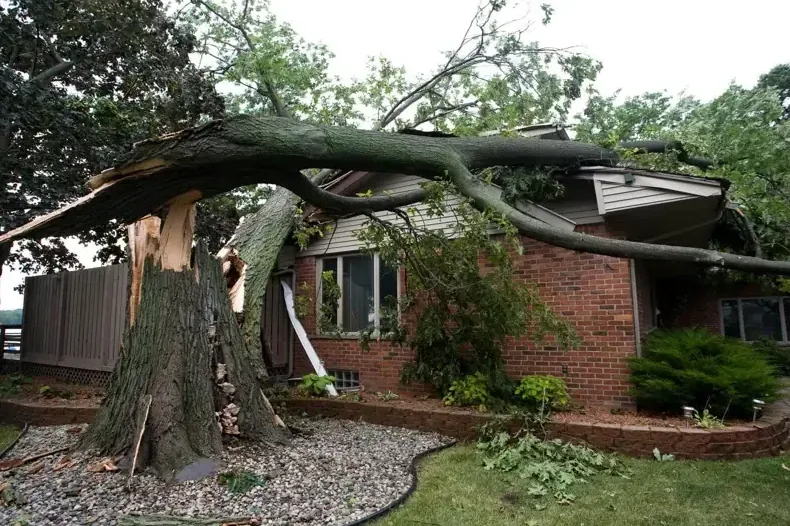
The Gastonia Fire Department rescued more than a handful of people from the lower part of the park. No injuries were reported, a large tree snapped and blocked a road, and the Red Cross helped families.
The event shows what a fast creek rise looks like: people moving quickly and belongings left behind.
Creek water can rise because rain upstream arrives faster than the channel can carry it, so a clear sky overhead does not mean the water has stopped rising.
Why creek water is handled as Category 3
Water that comes from a creek carries soil, debris and whatever the creek picked up along the way. The IICRC S500 standard treats it as Category 3, the most contaminated category.
That label decides what happens to the materials the water touched.
Because the water is contaminated, the team wears protective gear and bags removed materials before carrying them out. Surfaces that stay are cleaned and treated before drying equipment is set.
- Carpet and carpet pad that were touched are removed and discarded.
- Insulation and drywall that wicked the water are cut out.
- Hard surfaces are cleaned and treated, then dried.
- Items that cannot be cleaned are listed and photographed for the insurer.
First steps when creek water reaches a home
Safety comes before cleanup, and the order matters. Standing floodwater can hide electrical hazards and sharp debris.
Do not turn on appliances that got wet. An electrician should check wet outlets and the panel before power is restored.
- Stay out until the water level has dropped and the power to the area is off.
- Do not walk or drive through moving water.
- Photograph the high water mark on the walls and the damaged belongings.
- Wear boots and gloves, and keep children and pets out of the area.
- Contact the insurer and a restoration team once it is safe.
How extraction, removal and drying work
A flood cleanup follows a set order. Skipping a step usually means returning to it later at a higher cost.
Extraction first
The extraction crew pumps standing water and removes mud and silt. Water extraction comes first because water left in place keeps soaking into the structure.
Silt dries into a hard layer on floors and in wall bottoms, so pulling it out early makes the rest of the work easier.
Careful removal
Wet porous materials are cut out in the order that protects the rest of the house. Debris is bagged and carried out, not dragged across clean rooms.
Drying and checks
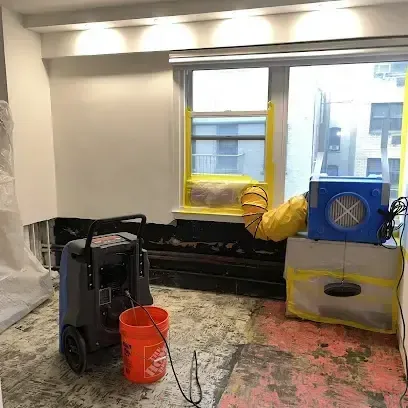
Dehumidifiers and air movers run in the cleaned space, and moisture readings are taken each day. Structural drying ends when the readings match a dry reference.
- Moisture readings are taken in walls, floors and subfloor each day.
- Equipment is moved or removed as each zone reaches a dry reading.
Help and coverage after a flood
The Red Cross helped families after the December 2015 flood. That is a reminder that relief groups can offer shelter and supplies when a home is not livable.
Restoration work on the building begins once people are safe. Families who cannot stay in a flooded home should keep receipts for lodging and meals, since the insurer may ask for them.
Coverage for flood water can differ from coverage for a plumbing leak, so it helps to ask the insurer which applies. The adjuster usually wants photos, a list of damaged items and the date the water entered.
A storm and flash flood cleanup team documents readings and removed materials, which helps that conversation. Wider storm work is covered under storm and flash flood cleanup.
What can be saved after creek water
Not everything touched by creek water is a loss. The material and the time it sat in water decide what can be cleaned.
Anything of high value or sentiment should be set aside and photographed before it is moved or cleaned.
- Solid wood furniture can often be cleaned and dried.
- Upholstered furniture and mattresses that touched the water are usually discarded.
- Hard flooring such as tile can often be cleaned and dried, while carpet is removed.
- Photographs and papers should be set aside, since some can be dried or cleaned by specialists.
- Appliances and electronics that were under water should be checked by a technician before use.
Getting ready before the next heavy rain
Gastonia averages 43.95 inches of precipitation a year, so heavy rain is part of the normal pattern. A plan made on a dry day is easier to follow when a creek is rising.
The Gastonia water damage pages list the services that follow a flood.
- Know which rooms sit lowest and keep valuables off those floors.
- Keep documents, medications and chargers in a bag that can be grabbed quickly.
- Photograph the home and belongings in normal condition.
- Learn a second route out, since a fallen tree can block a road.
- Store important papers in a waterproof container above floor level.
Questions
What does Category 3 water mean?
Category 3 is the most contaminated water category. It includes creek water and sewage, so porous materials are removed and surfaces are cleaned and treated.
Can carpet touched by creek water be saved?
Usually not. Carpet and pad hold contaminants, so both are removed. Hard flooring can often be cleaned and dried.
How soon should cleanup begin after a creek floods a home?
As soon as the water level is safe and the power is off. Delay lets water and silt soak deeper into the structure.
Is creek flooding covered by homeowners insurance?
That depends on the policy. Flood water is often handled separately from plumbing leaks, so the insurer can say which coverage applies.
Can a flooded home be cleaned by the homeowner?
Light cleanup of hard items is possible, but removing porous materials and drying the structure are best left to a trained team, since contaminated water needs the right protective gear.
How long does drying take after a creek flood?
Many cleanups take several days to a week or more, depending on how deep the water was and how long it sat. Daily readings set the schedule.