Appliance Leak Water Damage in York, SC
A washer hose, dishwasher seal or refrigerator supply tube can leak slowly behind the appliance for weeks. In York, the drying team finds the wet floor, cabinets and walls and dries them before the damage spreads further.
(888) 532-8921Ask about a leaking appliance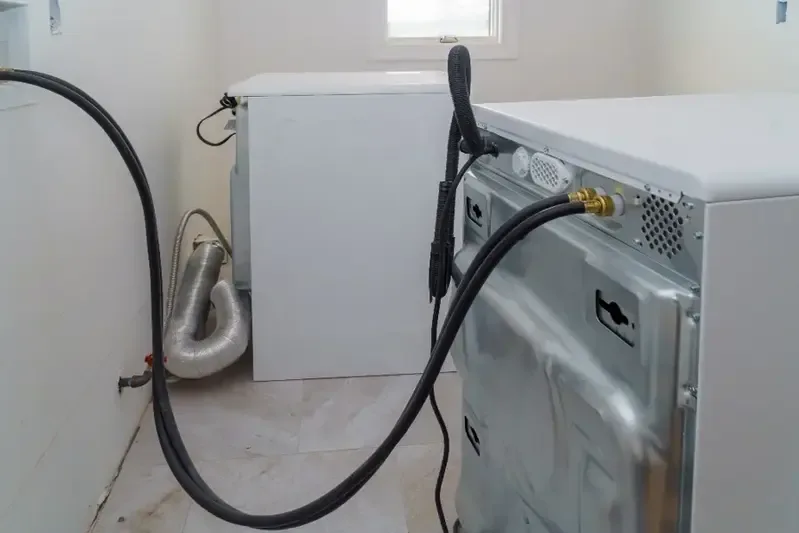
What every appliance leak water damage job is held to
Treated as urgent, any hour
Active water is treated as urgent at any hour. The response team rolls with extraction gear, air movers and meters, nights and weekends included.
Dried to the IICRC S500 goal
Air movers and LGR dehumidifiers are sized to the class of loss and stay on site until the readings reach the dry goal.
A claim file built every day
Moisture maps, psychrometric logs and timestamped photos are kept from the first visit on, the record an adjuster looks for.
First steps for appliance leak water damage while help is on the way
- Shut off the supply. Close the valve behind the appliance, or the main if no valve can be reached.
- Unplug if dry. Pull the plug only if the cord and outlet are dry and safe to reach.
- Soak up the pool. Use towels on small spills and keep traffic off the wet floor.
- Look behind it. Check the wall and floor around the appliance for stains or soft spots.
What does appliance leak water damage cost in York, SC?
Appliance leak drying usually costs $500 to $8,000. A leak caught right away stays near the bottom, while a hose that dripped behind a washer or under cabinets for weeks reaches the top.
Caught right away
- Towels and wet vacuum
- Floor moisture checked
- Short fan run
Under cabinets
- Kick plates opened
- Subfloor and flooring dried
- Dehumidifier set up
Hidden for weeks
- Soaked flooring removed
- Wall base and cabinets dried
- Longer drying
Ranges are typical, not a quote: the water category, square footage, material class and how fast drying started move the number most. Run the water damage cost calculator for a closer range.
How appliance leak water damage is handled, start to dry
The tech on the walkthrough maps moisture before any equipment goes down, and the gear stays until the readings say dry, not until the room looks dry.
Find the leak
A meter confirms which materials are wet.
Extract and open
Water is removed and kick plates come off.
Dry in place
Air movers and a dehumidifier dry the floor and cabinets.
Confirm the dryness
Readings must be normal before the appliance returns.
Appliance leaks are small and steady, which is why they do so much damage. A hose weeps behind a washer, a seal drips under a dishwasher or a refrigerator tube leaks into the subfloor, and nobody notices until the floor feels soft.
Common culprits
- Washer supply hoses with cracked rubber or loose fittings
- Dishwasher door seals and drain connections
- Refrigerator water tubes behind the unit
- Air conditioner drain pans and condensate drains
Each one needs the same first step, which is shutting off the water to that appliance.
Appliance dripping behind the wall? The drying team can find where the water went.
Get the floor checkedShared walls and apartments
Appliance leaks are a general household risk, and apartment living, as in the converted Rose Hotel, adds shared-wall exposure, since water can travel to a neighboring unit through walls and floors. In that setting the drying team checks the adjoining surfaces, not only the room where the appliance sits.
Drying under and behind
Cabinet kick plates are opened and the floor beneath the appliance is checked with a moisture meter. Water extraction handles the standing water, and structural drying finishes the cabinets and subfloor.
Appliance leak water damage across York and nearby communities
Where the crews work
Appliance leak work reaches kitchens and laundry rooms across ZIP 29745, from the Downtown York Historic District to houses and apartments elsewhere in town, wherever a hose, seal or drain pan has been leaking.
The same service nearby: appliance leak water damage in Clover, Tega Cay, Gastonia.
Related water damage services in York
Appliance Leak Water Damage questions, answered
Still dealing with it?
Appliance dripping behind the wall? The drying team can find where the water went.
(888) 532-8921 Get the floor checkedHow can a slow appliance leak be spotted?
Look for a musty smell, a soft or lifting floor, discolored cabinet bases and a water bill that creeps up. A moisture meter pressed to the floor beside the appliance confirms whether the area is wet.
Do washer hoses need to be replaced?
Rubber hoses crack and loosen with age, and a failed one can release gallons while nobody is home. Replacing old hoses and turning the supply valves off when away are the usual precautions.
Will the floor under a dishwasher need to come up?
Not always. Moisture readings decide, and tile or sealed flooring can often stay while the subfloor dries. Soft particleboard and swollen laminate are usually removed.
Does insurance cover an appliance leak?
Sudden hose or supply failures are often covered for the resulting water damage, while the appliance and slow, long-term seepage may not be. The policy wording and the date the leak started both matter.
What if the leak came from a neighboring apartment?
The owner or manager of the leaking unit may need to stop the source and report the loss. The drying team dries the affected walls, floors and ceiling in the unit that was damaged.
How long does drying take after an appliance leak?
Most losses dry in about three to five days. Cabinets with wet toe kicks and thick subfloors can take longer, so readings are logged until they match dry surfaces nearby.
Small appliance leaks wet big areas.
A hose or seal drips slowly into the floor and cabinet bases for weeks. The mitigation team extracts the water, opens the wet spots and dries them until readings agree with the dry rooms.
(888) 532-8921Dry out the kitchen