Structural Drying and Dehumidification in York, SC
Water that no longer shows on the surface can still sit inside walls and under floors. In York, the drying team uses air movers, dehumidifiers and moisture meters to pull it out of the structure.
(888) 532-8921Ask about drying wet walls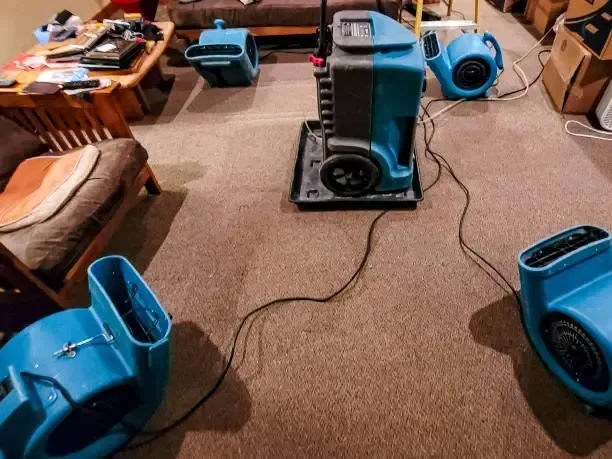
What every structural drying and dehumidification job is held to
Treated as urgent, any hour
Active water is treated as urgent at any hour. The response team rolls with extraction gear, air movers and meters, nights and weekends included.
Dried to the IICRC S500 goal
Air movers and LGR dehumidifiers are sized to the class of loss and stay on site until the readings reach the dry goal.
A claim file built every day
Moisture maps, psychrometric logs and timestamped photos are kept from the first visit on, the record an adjuster looks for.
First steps for structural drying and dehumidification while help is on the way
- Open the room. Move furniture away from walls and lift items off wet floors.
- Keep doors closed. Closed doors keep the drying zone small and the equipment effective.
- Leave machines running. Moving them changes the airflow plan.
- Note the readings. Ask for the daily moisture numbers to see the progress.
What does structural drying and dehumidification cost in York, SC?
Structural drying usually costs $1,000 to $10,000, depending on the number of rooms and how dense the wet materials are. Two rooms stay near the bottom, while hardwood, concrete or plaster across a floor reaches the top.
One or two rooms
- Air movers in each wet room
- One dehumidifier
- Short run with readings
Several rooms
- Wall cavities vented for airflow
- Two dehumidifiers running steadily
- Daily moisture readings logged
Dense materials
- Hardwood, concrete or plaster floors
- Desiccant or LGR dehumidifiers
- Longer equipment time with readings
Ranges are typical, not a quote: the water category, square footage, material class and how fast drying started move the number most. Run the water damage cost calculator for a closer range.
How structural drying and dehumidification is handled, start to dry
The tech on the walkthrough maps moisture before any equipment goes down, and the gear stays until the readings say dry, not until the room looks dry.
Map the moisture
Meters mark every wet material.
Set the equipment
Air movers and dehumidifiers are placed by the readings.
Check each day
Readings decide moves and removals.
Release when dry
Wet areas must match dry ones.
Surface water is only part of a wet building. Drywall, framing and subfloors absorb moisture and release it slowly, so drying has to reach inside walls and floors, not just the open air of the room.
How the equipment works
- Air movers push dry air across wet surfaces
- Dehumidifiers pull the released moisture out of the air
- Wall cavities are vented or opened for airflow
- Heat from the equipment speeds evaporation
Readings are taken on day one and every day after, and equipment is moved or removed as the numbers improve.
Walls still damp after the water is gone? The drying team can measure them.
Dry the wet framingOlder framing holds moisture
Older framing in historic buildings, such as those in the Downtown York Historic District, can hold moisture, so drying has to reach inside walls and floors. Thick lumber and layered finishes dry slowly, which means the drying plan follows the readings rather than a calendar.
Knowing when it is done
The job ends when wet materials match the readings of a dry area in the same building. Stopping early leaves moisture behind, and mold can start in 24 to 48 hours. After water extraction or a burst pipe loss, this stage is what protects the framing.
Structural drying and dehumidification across York and nearby communities
Where the crews work
Structural drying runs across ZIP 29745, from the Downtown York Historic District and its older framing to newer houses and shops, anywhere moisture has settled inside walls, floors or ceilings.
The same service nearby: structural drying and dehumidification in Clover, Tega Cay, Gastonia.
Related water damage services in York
Structural Drying and Dehumidification questions, answered
Still dealing with it?
Walls still damp after the water is gone? The drying team can measure them.
(888) 532-8921 Dry the wet framingHow long does structural drying take?
Most jobs run three to five days, though dense materials such as hardwood, plaster and concrete can take longer. The end date is set by moisture readings, not by a fixed schedule.
Why are the machines so loud and hot?
Air movers and dehumidifiers run all day to pull water out of materials, and they warm the room as a result. The warmth speeds evaporation, so the noise and heat are signs the drying is working.
Can a wet house dry out without equipment?
Surfaces may look dry, but moisture stays inside framing and subfloors without help. Mold can start in 24 to 48 hours, so open windows and fans alone rarely finish the job.
What is the difference between an air mover and a dehumidifier?
Air movers speed evaporation by pushing air across wet surfaces, while dehumidifiers remove the moisture that air picks up. Using both lowers humidity and dries materials faster than either one alone.
Do all the walls have to be opened?
No. Meters and thermal cameras show which walls are wet, and small holes or removed baseboards often let air reach the cavity. Only materials that cannot dry, such as soaked insulation, are taken out.
Does drying cost more in older buildings?
It can, since older framing and layered finishes hold moisture longer and need more equipment time. The top of the price range reflects that kind of dense material.
Dry to the surface is not dry inside.
Framing, subfloor and drywall hold moisture long after the pool is gone. The restoration team places equipment by the readings and keeps checking until the structure is dry.
(888) 532-8921Start the drying plan in York