Water Extraction in York, SC
Standing water soaks into carpet, pad and wall bases the longer it sits. In York, the extraction crew pumps it out and pulls it from carpet with wands, so drying starts on a cleared floor.
(888) 532-8921Ask about water on the floor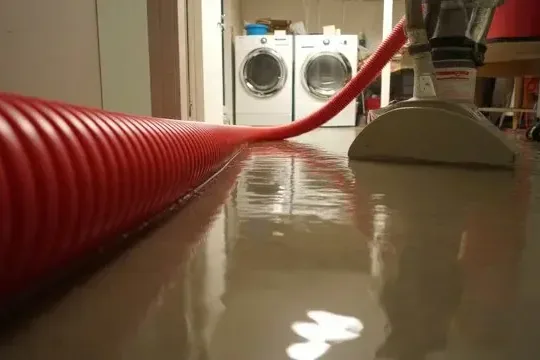
What every water extraction and removal job is held to
Treated as urgent, any hour
Active water is treated as urgent at any hour. The response team rolls with extraction gear, air movers and meters, nights and weekends included.
Dried to the IICRC S500 goal
Air movers and LGR dehumidifiers are sized to the class of loss and stay on site until the readings reach the dry goal.
A claim file built every day
Moisture maps, psychrometric logs and timestamped photos are kept from the first visit on, the record an adjuster looks for.
First steps for water extraction and removal while help is on the way
- Stop the source. Close the supply valve or switch off the appliance that is leaking, if it is safe.
- Skip the household vacuum. Vacuums and wet outlets are a shock risk, so wait for wet-rated equipment.
- Lift small items. Move rugs, boxes and books onto dry furniture or a counter.
- Cut power to wet rooms. Turn off breakers that serve wet outlets and keep children and pets out.
What does water extraction and removal cost in York, SC?
Water extraction in York usually costs $350 to $12,000, depending on how much floor is wet and how long the water has sat. A small area sits near the bottom, while a whole floor or crawl space reaches the top.
Small area
- One room with water caught early
- Pump or wand removal of the pool
- Wet pad lifted when needed
Several rooms
- Pad pulled from each wet room
- Wands worked through all the carpet
- Cabinet bases checked for water
Whole floor or crawl space
- Pumps for standing depth
- Wall bottoms and subfloor opened
- Handoff to a full drying plan
Ranges are typical, not a quote: the water category, square footage, material class and how fast drying started move the number most. Run the water damage cost calculator for a closer range.
How water extraction and removal is handled, start to dry
The tech on the walkthrough maps moisture before any equipment goes down, and the gear stays until the readings say dry, not until the room looks dry.
Find the edge
Moisture meters mark how far the water has traveled.
Pump the depth
Submersible pumps clear anything deeper than a thin film.
Wand the soaked
Weighted wands draw water from carpet, pad and rugs.
Check and hand off
A final reading confirms the surface is ready for drying.
Water extraction is the first physical step in most losses. The crew removes the bulk of the water with pumps and weighted wands before any fan or dehumidifier runs, because drying equipment alone cannot clear a flooded floor. Every extra day lets water travel farther into baseboards and subfloor seams.
What the crew pulls out
- Pooled water on tile, vinyl and sealed concrete
- Water held in carpet and the pad beneath it
- Water standing in a low garage or utility room
- Water trapped under cabinets and in wall bases
Sewage and storm water need a different protocol, so the crew settles the water type before a pump starts, and sewage backup cleanup follows its own steps.
Water on the floor right now? The extraction crew can start pulling it out.
Get the water pumpedWhy carpet pad goes first
Pad acts like a sponge and holds water long after the surface feels dry. It is usually pulled and replaced, while clean-water carpet is often lifted, extracted and set back. Mold can begin in 24 to 48 hours, so standing water comes out before anything else.
Older streets and newer homes
Extraction jobs in York can involve both older buildings in the Downtown York Historic District and newer homes, since the housing count grew from 2,766 units in 2000 to 3,497 in 2020. Layered flooring, thick baseboards and subfloor seams hold water in different places, so the wand work changes room by room. Once the water is out, structural drying takes over, and the crew keeps notes on how far the water traveled so the drying plan matches the readings.
Water extraction and removal across York and nearby communities
Where the crews work
Extraction reaches ZIP 29745, from the Downtown York Historic District and streets such as West Liberty Street to the houses and shops built as the town grew, wherever water has pooled indoors.
The same service nearby: water extraction and removal in Clover, Tega Cay, Gastonia.
Related water damage services in York
Water Extraction and Removal questions, answered
Still dealing with it?
Water on the floor right now? The extraction crew can start pulling it out.
(888) 532-8921 Get the water pumpedHow deep can standing water be before a pump is needed?
Anything deeper than a thin film calls for a pump, since wands and vacuums work best on shallow moisture. The crew starts with submersible pumps for depth, then switches to wands once only carpet and floor surfaces remain wet.
Can carpet be saved after a flood?
Clean-water carpet often can, if it is extracted promptly and the floor beneath dries to a normal reading. The pad underneath is usually replaced, and carpet soaked by sewage or storm water is a different case.
Is it safe to use a shop vacuum on standing water?
A household vacuum is a shock risk near wet outlets and is not built for gallons of water. Wet-rated tools handle the volume, and power is cut first wherever outlets sit in the wet area.
Does insurance pay for water extraction?
Policies often cover sudden water loss from a burst pipe or a failed appliance, and extraction is part of the covered work. Gradual leaks and rising floodwater follow different rules, so the policy wording decides.
How long does extraction take?
A small area can take a couple of hours, while a flooded floor takes longer because pad, cabinet bases and wall bottoms are worked one section at a time. Drying equipment is set right after the water is out.
When does extraction turn into drying?
Once the wands stop pulling up water and the surface looks damp instead of wet, the job moves on to air movers and dehumidifiers. Moisture readings then set the equipment plan.
Standing water is a clock, not a chore.
The longer water sits, the more of it moves into pad, baseboard and subfloor. The extraction crew removes the bulk first and hands the room to the drying team with clear moisture readings.
(888) 532-8921Start the pump work